
Shakespeare Tripathi has become a topic of discussion on social media after his sister, Leslie Tripathi, spoke candidly about him during a recent podcast. The conversation not only shed light on the story behind his distinctive name but also offered a glimpse into how their family views his career in the adult entertainment industry.
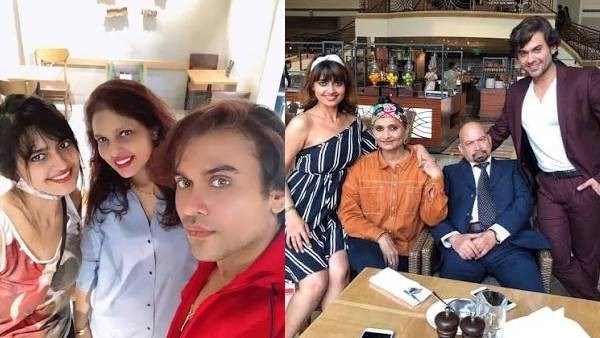
During the podcast, Leslie revealed that their father was an English professor with a deep appreciation for literature. Inspired by the legendary playwright William Shakespeare, he decided to name his son "Shakespeare." The unusual name has often attracted curiosity, and Leslie explained that it was chosen as a reflection of their father's admiration for English literature.
The discussion then turned to Shakespeare Tripathi's professional life. Leslie addressed her brother's work in the adult entertainment industry with honesty, suggesting that the family has come to terms with his career choice. Rather than avoiding the subject, she spoke openly, indicating that acceptance and mutual respect have played an important role in their family's relationship.
Her comments quickly spread across social media platforms, where users began sharing mixed reactions. Some praised the family's willingness to support an adult member's personal decisions, while others questioned whether certain professions should receive the same level of acceptance within families and society.
The conversation has also reignited a broader debate about changing social values. Many online users argued that in today's world, financial independence and personal success often take priority over traditional societal expectations. According to this perspective, adults should have the freedom to pursue careers of their choosing, provided they do so legally and by their own informed decision.
Others, however, expressed discomfort with the idea, maintaining that family values, cultural beliefs, and social norms remain important considerations when evaluating career choices. For these individuals, acceptance does not necessarily mean agreement, and they believe such professions continue to raise ethical and moral questions.
The podcast has highlighted how attitudes toward unconventional careers continue to evolve, particularly in the age of social media where personal stories reach large audiences almost instantly. It has also underscored the diversity of opinions that exist on issues involving personal freedom, family dynamics, and public perception.
While the online debate continues, Leslie Tripathi's remarks have drawn attention primarily because of their openness. By discussing her brother's career without hesitation, she brought an often-sensitive topic into the public conversation, encouraging people to reflect on questions surrounding acceptance, personal autonomy, and societal expectations.
As the discussion continues to trend, one thing remains clear: opinions remain deeply divided. Some see the family's stance as an example of unconditional support for an adult's personal choices, while others continue to view the issue through the lens of cultural and moral values. The conversation has become less about one individual and more about the broader debate over personal freedom, family acceptance, and the changing standards of modern society.