
The Supreme Court on Tuesday came down heavily on comedian Samay Raina, expressing strong displeasure over what it described as non-compliance with its earlier directions. The Court imposed a ₹3 lakh fine on Raina and warned that the penalty could be increased to ₹30 lakh if it was not satisfied with compliance at the next hearing.
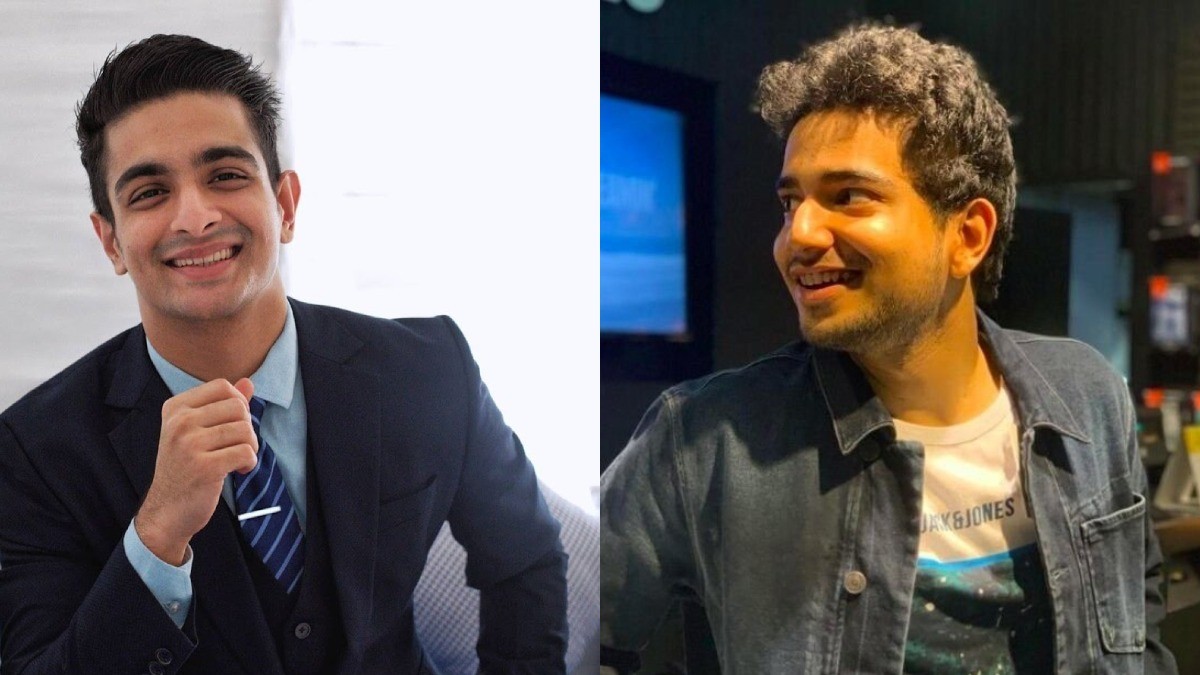
The matter was heard by a Bench led by Chief Justice of India Surya Kant, which observed that the Court believed Samay Raina had "taken the court for a ride" and had "brazenly violated" its previous orders. The Bench made it clear that failure to respect judicial directions would invite serious consequences.
During the proceedings, counsel appearing for Samay Raina submitted that ₹9 lakh had been raised through the shows for persons with disabilities, suggesting that the events were conducted for a charitable cause. However, senior advocate Aparajita Singh responded by stating, "We do not want any money from them," indicating that the issue before the Court was compliance with its orders rather than financial contributions.
Rejecting the argument, the Bench remarked, "Let them suffer." The Court further cautioned that if it remained dissatisfied at the next hearing, it would consider imposing a ₹30 lakh fine, sending a strong message about adherence to judicial directives.
The Supreme Court also criticized fellow content creators Ranveer Allahbadia and Ashish Chanchlani, observing that they had failed to comply with its earlier directions. The Bench referred to them as "self-styled youth icons" and emphasized that individuals with a significant public following have a greater responsibility to act within the framework of the law and respect societal values.
The Court further remarked that those who influence millions of young people cannot disregard legal orders or public sensitivities. It observed that if individuals "do not know how to mend their ways or respect the sentiments of society," they must be prepared to face legal consequences.
The case has drawn widespread public attention because of the popularity of the creators involved and the broader debate surrounding digital content, freedom of expression, and accountability on online platforms.
The Supreme Court's observations underscore that public influence does not place anyone above the law. With the matter set to return for further hearing, all eyes will be on whether the concerned parties comply with the Court's directions and avoid stricter action in the future.