
Tamil actor Arya, whose real name is Jamshad Cethirakath, has stirred widespread discussion with his recent comments about sadhus in Varanasi. Speaking from his personal experience while shooting a film in the holy city, Arya claimed that “40% of sadhus in Varanasi are criminals hiding there, while 60% may be genuine.”
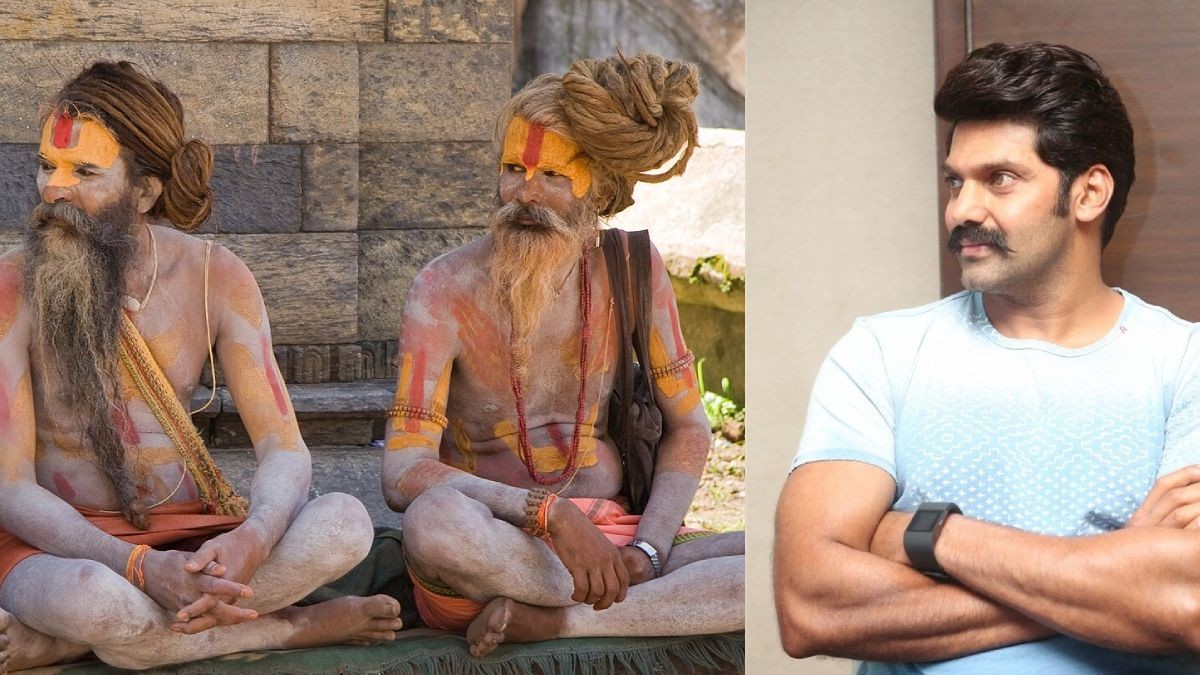
The statement quickly went viral online, igniting a heated debate across social media platforms. Supporters of Arya argue that his observation reflects the reality of exploitation in religious spaces, where some individuals misuse the identity of sadhus to escape law enforcement or engage in unlawful activities. Critics, however, accuse him of generalizing and disrespecting a revered spiritual tradition, pointing out that Varanasi has long been considered one of the holiest cities in Hinduism.
Arya’s remark has also sparked conversations about the intersection of cinema and social commentary. As actors often gain insights into diverse communities while filming, their perspectives can sometimes challenge conventional narratives. In this case, Arya’s candid statement has opened up discussions on the need for greater accountability and transparency in religious institutions.
Varanasi, known as the spiritual capital of India, attracts thousands of pilgrims and ascetics each year. The city’s sadhus are often seen as custodians of tradition and spirituality. However, Arya’s claim suggests that the sanctity of this image may be compromised by individuals using the guise of asceticism for personal gain.
Whether viewed as a bold truth or an overstatement, Arya’s words have undeniably sparked a national conversation. The debate highlights the tension between faith, perception, and reality, reminding audiences that cinema and celebrity voices can influence public discourse far beyond the screen.
Arya’s remark continues to trend online, with opinions sharply divided on its implications for both religion and society.