
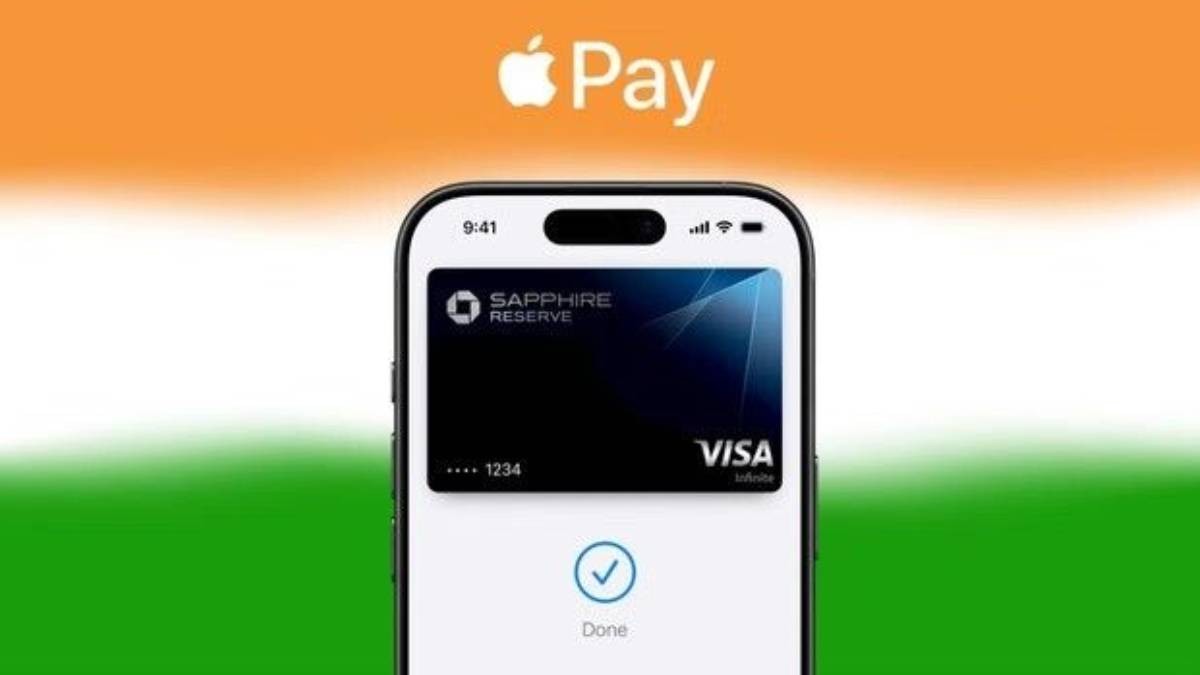
Apple is preparing to roll out its Apple Pay service in India this October 2026, marking a significant step in the company’s expansion into one of the world’s fastest-growing digital payments markets. However, the launch comes with a notable limitation: the absence of UPI (Unified Payments Interface) support, which currently dominates India’s payment ecosystem. Instead, Apple Pay will initially support Visa and Mastercard credit and debit cards, enabling iPhone and Apple Watch users to make secure contactless payments at NFC-enabled terminals.
The lack of UPI integration is primarily due to regulatory and technical hurdles. Apple relies on device-level biometric authentication such as Face ID and Touch ID, while UPI requires UIDAI-backed authentication standards. This mismatch has delayed Apple’s ability to integrate UPI into its system. Apple is reportedly in discussions with the National Payments Corporation of India (NPCI) and leading banks to resolve these issues, but for now, the service will remain card-based.
Apple Pay’s entry into India will initially target the premium segment of consumers who already use credit cards extensively. Partnerships with major banks like HDFC Bank, ICICI Bank, and Axis Bank are expected to facilitate card provisioning for Apple Pay. Transaction fees are also under negotiation, with Apple seeking around 15–20 basis points per transaction, while Indian banks are pushing for lower rates. Importantly, these fees will not be passed on to customers, ensuring a seamless experience for users.
Despite its global success, Apple Pay faces challenges in India. UPI apps such as Google Pay, PhonePe, and Paytm dominate everyday transactions, especially among small merchants who rely on QR code-based payments. Without UPI, Apple Pay may struggle to gain traction beyond affluent urban users who frequent malls, supermarkets, and restaurants equipped with NFC terminals. Merchant adoption will be crucial, as widespread availability of NFC infrastructure remains limited compared to QR-based systems.
In summary, Apple Pay’s India launch is a milestone for Apple’s services strategy, but its initial rollout without UPI support highlights the complexities of entering India’s highly regulated and competitive payments market. While the service will appeal to premium card users, its long-term success hinges on UPI integration. Once Apple overcomes regulatory hurdles and expands merchant adoption, Apple Pay could evolve into a comprehensive payment solution for Indian iPhone users, bridging the gap between global innovation and local consumer habits.