Long lines of vehicles were seen at Kengeri in Bengaluru as drivers rushed to fill their tanks amid growing concerns of an auto LPG shortage. The sudden surge in demand has led to queues stretching for several kilometers, with many auto-rickshaw drivers and private vehicle owners waiting for hours to secure fuel.
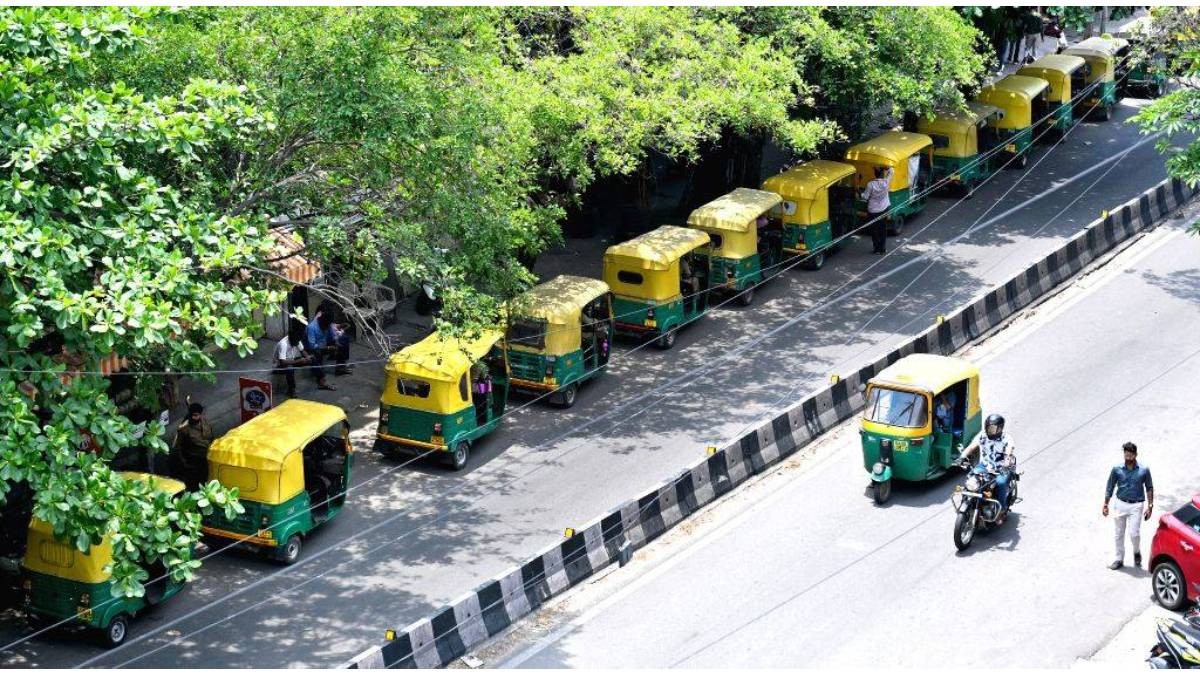
Auto-rickshaw drivers, who rely heavily on LPG for daily earnings, expressed anxiety over the possibility of a prolonged scarcity. Many reported that other filling stations across the city had already run dry, forcing them to travel to Kengeri, one of the few outlets still operating. The uncertainty has sparked fears of income loss and fare hikes, as drivers struggle to keep their vehicles running.
Industry insiders suggest that the scarcity may be linked to supply chain disruptions and delays in LPG transportation. Seasonal demand fluctuations and logistical bottlenecks have further strained availability. Officials have yet to issue a formal statement, but sources indicate that efforts are underway to stabilize supply in the coming days.
The shortage has a direct impact on daily commuters, as auto-rickshaw drivers consider increasing fares to offset fuel scarcity. Passengers in Bengaluru, who depend on autos for short-distance travel, may face inconvenience and higher costs if the situation persists.
The state government is reportedly monitoring the situation closely. The Department of Food and Civil Supplies is expected to coordinate with oil companies to ensure adequate distribution. Authorities have urged drivers not to panic, assuring that measures are being taken to restore normalcy.
The sight of long queues at Kengeri highlights the vulnerability of Bengaluru’s transport system to fuel supply disruptions. As drivers and commuters await clarity, the auto LPG scarcity serves as a reminder of the need for robust infrastructure and contingency planning to safeguard urban mobility.