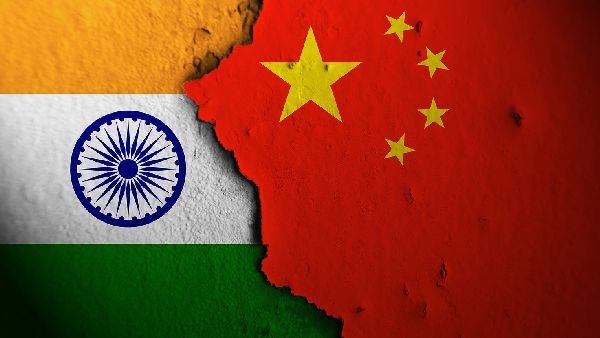
A new economic projection indicates that India could overtake China in global GDP share (PPP terms) by 2060, marking a significant shift in the balance of global economic power. Currently, China holds nearly 20% of global GDP with an economy valued at around $44 trillion, while India accounts for about 8%. The report suggests that India’s share could rise to 16% by 2100, driven by sustained growth and demographic advantages.
China’s dominance, however, is expected to gradually decline. The country’s shrinking population is a major factor, with its share of the world’s population projected to fall from 17% in 2025 to under 8% by 2100. This demographic contraction will limit its long-term growth capacity, even as its current economic edge remains formidable.
India’s potential rise rests on maintaining 7–8% annual growth rates, supported by reforms in education, infrastructure, and productivity. A younger workforce provides a demographic dividend, while policy alignment with planetary limits, including the global effort to restrict warming to 2°C, will be crucial for sustainable expansion. These factors collectively position India as a future leader in the global economy.
Yet, challenges remain. India’s low investment in R&D, persistent inequality, and uneven development across states could hinder progress. Experts emphasize that without inclusive growth models and stronger innovation ecosystems, India’s trajectory may fall short of expectations. Addressing these structural issues will be vital to realizing the forecasted economic transformation.
Reactions to the report have been mixed. Optimists view it as a sign of India’s inevitable rise, while realists highlight the long timeline and obstacles ahead. Social media has also added humor to the discussion, with jokes about the 34-year wait before India overtakes China, underscoring both excitement and skepticism.
Ultimately, the forecast underscores the importance of demographics, reforms, and sustainability in shaping global economic futures. India’s projected overtaking of China by 2060 is not guaranteed, but it reflects the potential of a nation poised to redefine the world’s economic order if it can balance growth with inclusivity and environmental responsibility.