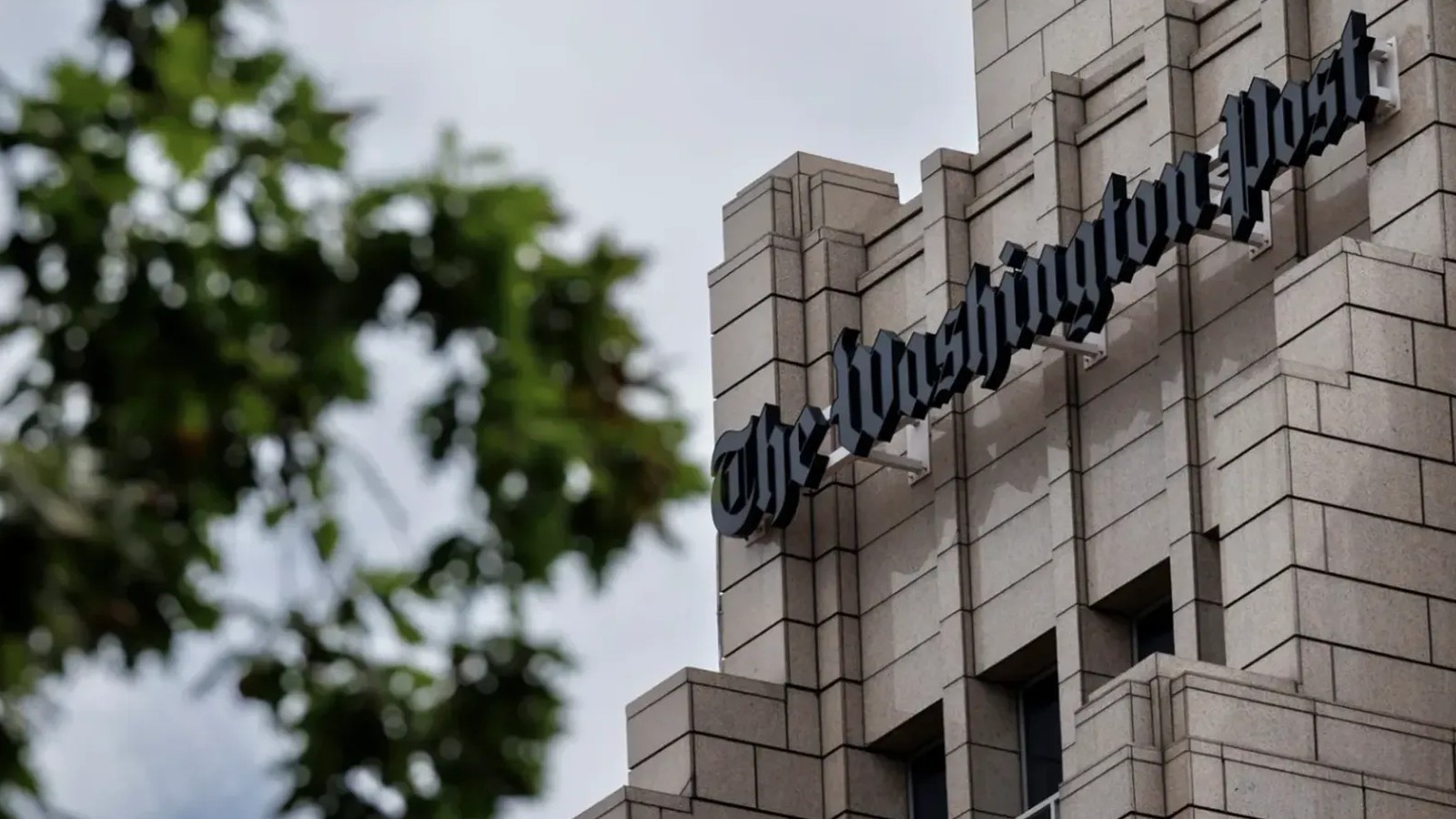
The Washington Post, one of America’s most respected publications with a history spanning more than 145 years, is undergoing one of its most dramatic downsizing efforts. Executive Editor Matt Murray informed staff that the layoffs would affect international, editing, metro, and sports desks, among others. The announcement followed the paper’s decision to scale back coverage of the 2026 Winter Olympics, signaling deeper financial strain.
Why the Layoffs Were Necessary
The primary reason behind the cuts is financial losses exceeding $170 million in 2025, which forced owner Jeff Bezos and the leadership team to order a “strategic reset.” The newspaper had long operated with a structure rooted in its past dominance as a local monopoly, but changing media consumption patterns and declining advertising revenue made that model unsustainable. The restructuring aims to shift focus toward federal politics and national security, areas where the Post believes it can maintain influence and readership.
How Many Employees Were Affected
Reports suggest that hundreds of employees have been impacted. The Metro desk alone saw a 70% reduction, leaving only 12 reporters from a team of 40. Entire sections such as Sports and Books are being shuttered immediately. These cuts represent one of the largest workforce reductions in the paper’s history, drastically shrinking its reach and coverage capacity.
Human Impact and Industry Reflection
For employees, the layoffs are more than numbers—they represent careers, passions, and years of dedication to journalism. Many staff members expressed shock and disappointment, while others acknowledged the financial realities facing the industry. The move underscores a broader challenge in media: balancing tradition and credibility with the economic pressures of digital transformation. As the Post pivots toward a leaner model, the human cost of restructuring remains a poignant reminder of the fragile state of modern journalism.