
Gold has long been considered one of the safest and most valuable assets worldwide, serving as both a financial reserve and a cultural symbol of wealth. While official gold reserves held by central banks are widely reported, household and private gold holdings also play a major role in determining a country’s total gold wealth. When combining both official reserves and household holdings, several nations stand out as global leaders, with India firmly holding the top position.
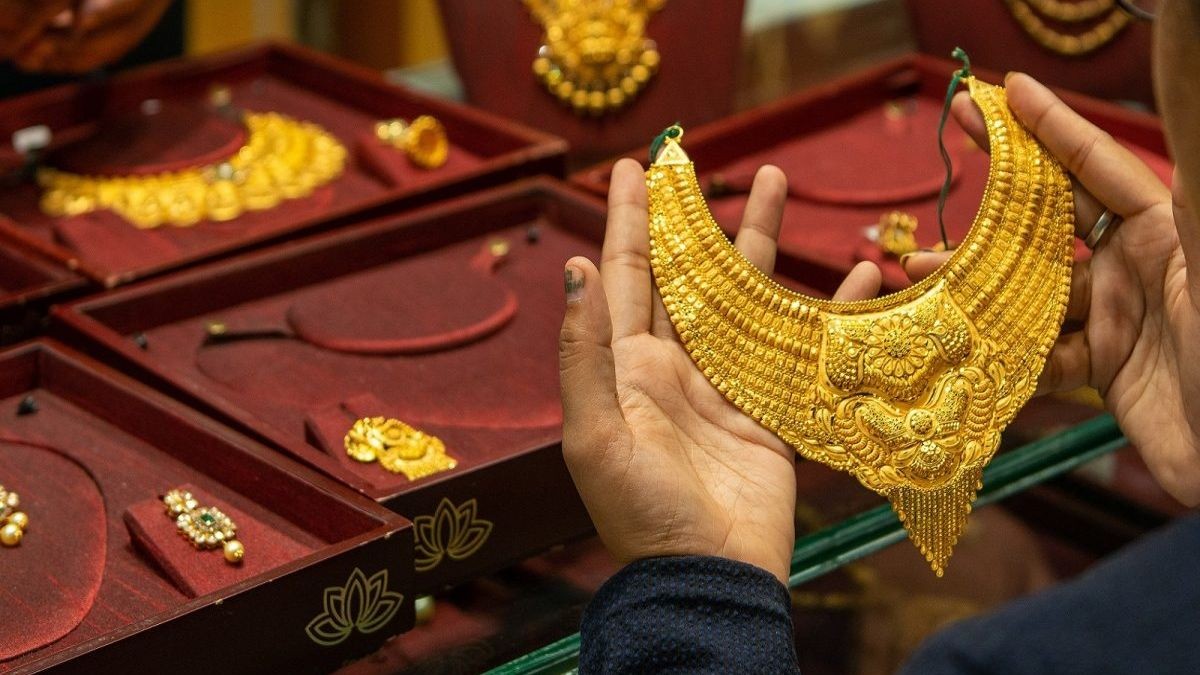
India Tops the List with Massive Household Gold Holdings
India ranks as the world’s largest holder of gold when both official and household reserves are considered. The country holds approximately 880 tonnes of official gold reserves, but its true strength lies in private ownership. Indian households collectively own an estimated 34,600 tonnes of gold, bringing the country’s total holdings to around 35,500 tonnes. Gold plays a significant cultural and financial role in India, particularly during weddings, festivals, and as a form of long-term savings, making household demand consistently strong.
China Holds Second Position with Rapidly Growing Reserves
China stands in second place, with about 2,306 tonnes of official gold reserves held by its central bank. In addition, Chinese citizens and private institutions are estimated to hold between 20,000 and 25,000 tonnes of gold, bringing the country’s total holdings to roughly 22,300 to 27,300 tonnes. Over the past decade, China has steadily increased both its official reserves and domestic gold consumption, strengthening its position in the global gold market.
United States Leads in Official Gold Reserves
The United States holds the world’s largest official gold reserves, totaling approximately 8,133 tonnes, stored mainly by the Federal Reserve. When factoring in private holdings, which amount to several thousand tonnes, the country’s total gold reserves are estimated to range between 11,000 and 15,000+ tonnes. The U.S. gold reserves play a significant role in maintaining global financial confidence and economic stability.
European Nations Maintain Strong Gold Positions
Several European countries remain among the top gold holders globally. Germany ranks fourth, holding around 3,351 tonnes of official gold reserves, along with significant private ownership that pushes its total beyond 6,000 tonnes. Italy follows with approximately 2,452 tonnes of official reserves and additional household holdings totaling over 4,000 tonnes. Similarly, France maintains around 2,437 tonnes of official gold, with private ownership raising its combined total to more than 4,000 tonnes.
Russia and Turkey Show Unique Gold Ownership Patterns
Russia holds approximately 2,327 tonnes of official gold reserves, with relatively lower private holdings compared to some European and Asian nations, bringing its total to over 3,000 tonnes. Turkey, however, presents a unique case. While its official reserves range between 600 and 770 tonnes, household gold ownership is exceptionally high due to cultural traditions. Estimates suggest Turkey’s total gold holdings could range between 5,000 and 10,000+ tonnes, although figures vary widely due to limited reporting.
Switzerland and Japan Complete the Top Ten
Switzerland holds around 1,040 tonnes of official gold, combined with notable private holdings that push its total above 2,000 tonnes. Japan rounds out the top ten with approximately 846 tonnes of official gold reserves, along with moderate private holdings estimated to bring its total between 1,500 and 2,000+ tonnes.
Gold Remains a Key Indicator of Economic Security
The combined gold holdings of these countries highlight the continued importance of gold as a secure financial asset and cultural store of wealth. Nations with strong household gold ownership, such as India and Turkey, demonstrate how cultural traditions can significantly influence national wealth patterns. Meanwhile, countries with large official reserves, like the United States and Germany, rely on gold as a cornerstone of financial stability.
As global economic uncertainties continue, gold is expected to remain a preferred investment and savings option for both governments and individuals, reinforcing its status as one of the world’s most trusted assets.