
In a landmark move, Karnataka has become the first Indian state to introduce a liquor tax system based on the alcohol content of beverages. This progressive taxation model marks a significant departure from traditional excise duties, which were largely levied uniformly across categories regardless of alcohol strength.
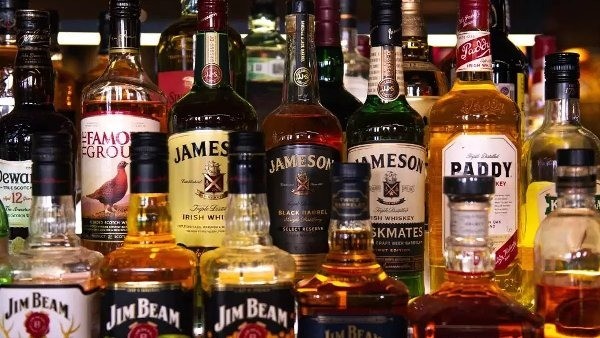
Under the new framework, the tax rate will vary depending on the percentage of alcohol present in the drink. Stronger spirits such as whiskey, rum, and vodka will attract higher levies, while lighter beverages like beer and wine will be taxed at comparatively lower rates. The government believes this approach will not only generate additional revenue but also encourage more responsible consumption by discouraging excessive intake of high‑alcohol products.
Officials have emphasized that the policy is designed to balance public health concerns with economic interests. By linking taxation to alcohol strength, Karnataka aims to reduce harmful drinking patterns while still supporting the state’s thriving liquor industry. The move is expected to bring in substantial revenue, which could be directed toward healthcare initiatives and awareness campaigns around responsible drinking.
Industry experts have noted that this system aligns Karnataka with international practices, where alcohol content‑based taxation is common in countries across Europe and parts of Asia. For consumers, the change may lead to price adjustments, with premium spirits becoming more expensive while lighter options remain relatively affordable.
The decision has sparked widespread discussion among policymakers and citizens alike. Supporters hail it as a forward‑thinking measure that prioritizes health and accountability, while critics argue it could impact affordability and consumer choice. Nevertheless, Karnataka’s bold step sets a precedent that other Indian states may consider adopting in the future.
With this reform, Karnataka has positioned itself as a pioneer in modernizing excise policy, blending fiscal innovation with social responsibility. The introduction of alcohol content‑based taxation could reshape the dynamics of India’s liquor market, making the state a model for progressive governance in the sector.