
India has witnessed a landmark moment with the announcement of 33% reservation for women in Parliament, a reform hailed as a game changer in the country’s political landscape. This move is expected to significantly increase women’s participation in legislative processes, ensuring that their voices are heard in shaping national policies and governance.
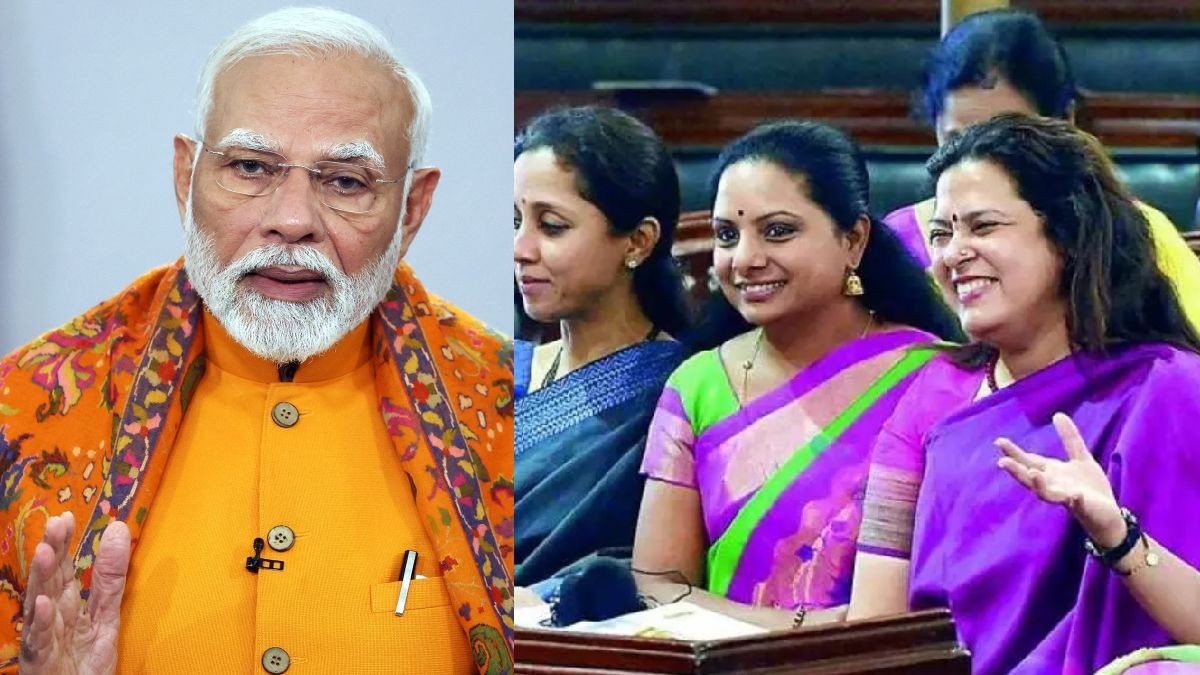
The reservation policy is seen as a transformative step toward gender equality in politics, breaking barriers that have historically limited women’s representation. By guaranteeing one-third of parliamentary seats to women, India is poised to empower female leaders across diverse backgrounds, encouraging inclusivity and strengthening democracy.
Supporters of the initiative emphasize that such a bold reform requires strong political will. Many believe that only a leader with the ability to push through structural changes could make this possible. The reservation is expected to inspire more women to enter politics, challenge stereotypes, and contribute to decision-making at the highest levels.
The impact of this reform will extend beyond Parliament. With greater representation, women legislators can influence policies related to education, healthcare, employment, and safety, addressing issues that directly affect millions of women across the country. This step also sets a precedent for other institutions to adopt similar measures, reinforcing the importance of gender balance in leadership roles.
While challenges remain in implementation, the announcement has already sparked optimism among citizens and activists. It is widely regarded as a historic day for India, marking the beginning of a new era where women will play a more prominent role in shaping the nation’s future.