
Veteran Bengali filmmaker Raja Sen, best known for his National Award-winning debut Damu, died at SSKM Hospital in Kolkata on Sunday, August 16, 2026. He was 71. Sen had been battling prolonged health problems and was receiving treatment for multiple complications involving his lungs, heart and kidneys. He was also on ventilator support during his final days, according to medical sources.
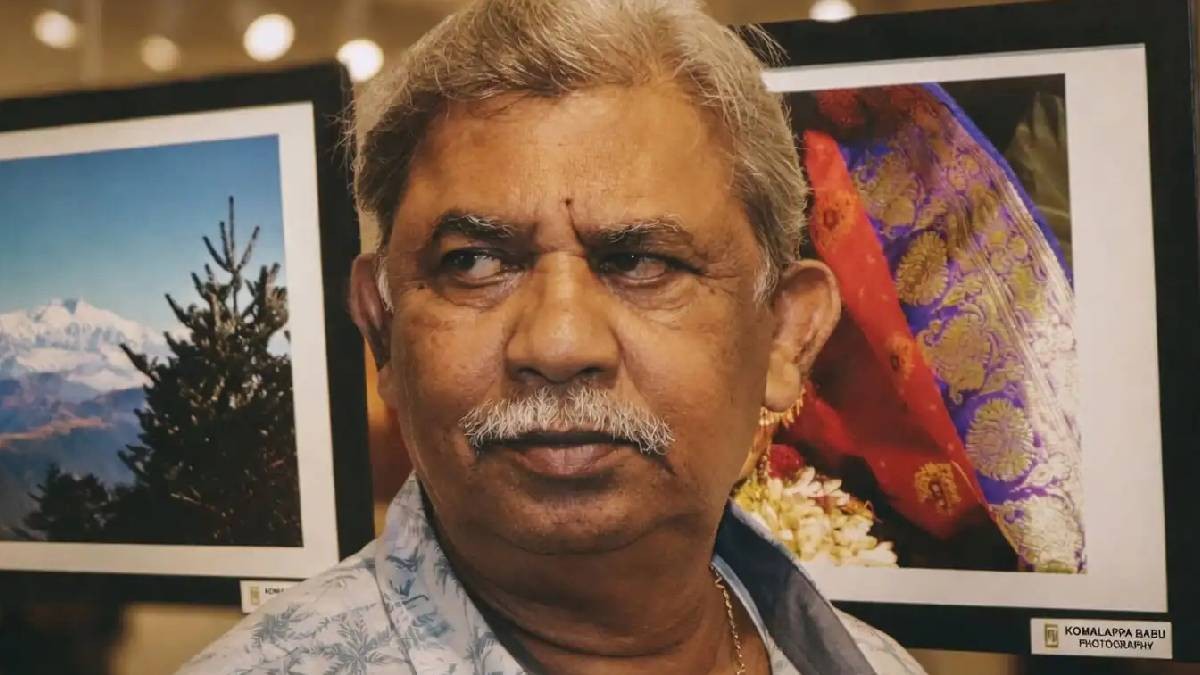
Raja Sen was initially admitted to a private hospital after suffering an injury to his lower back. His health reportedly deteriorated during treatment, with complications subsequently affecting his lungs and heart. He was later shifted to the state-run SSKM Hospital in Kolkata, where he developed further kidney-related complications. Doctors continued to monitor his condition closely, but his health worsened despite treatment.
Sen's death marks a significant loss for Bengali cinema. He began his feature-film career with Damu in 1996. The film, centred on the relationship between a young boy and an elephant, won the National Film Award for Best Children's Film and established Sen as an important filmmaker in the Bengali industry.
Over the course of his career, Sen worked across feature films, television and documentaries. His notable films include Atmiyo Swajan, Desh, Debipaksha, Krishnakant er Will, Laboratory and Maya Mridanga. His filmmaking was often rooted in Bengali literature, society, relationships and cultural themes. He also explored documentary filmmaking and created works on prominent personalities and cultural figures.
One of Sen's notable achievements was his ability to bring together performers from Bengali and Hindi cinema. His 2002 film Desh featured Jaya Bachchan and Abhishek Bachchan, while Laboratory, based on a story by Rabindranath Tagore, featured Raveena Tandon. His work consequently helped create connections between the Bengali and wider Indian film industries.
Sen was also recognised with three National Film Awards during his career, reflecting his contribution to Indian cinema. Beyond mainstream feature films, he remained associated with television and documentary projects, building a diverse body of work over several decades. His approach to storytelling earned him respect within the Bengali film fraternity.
News of his death has triggered an outpouring of grief from members of the Bengali entertainment industry. Actors and filmmakers have remembered Sen for his contribution to Bengali cinema and his role as a mentor and senior figure within the industry. Actress Rituparna Sengupta, who worked with him on several projects, remembered him as an influential and guardian-like figure in her career.
Raja Sen leaves behind a rich legacy spanning films, television and documentaries. His work, particularly Damu, Atmiyo Swajan and Laboratory, remains an important part of modern Bengali cinema. His passing at 71 brings to an end a decades-long creative journey that earned him national recognition and a lasting place in the region's film history.