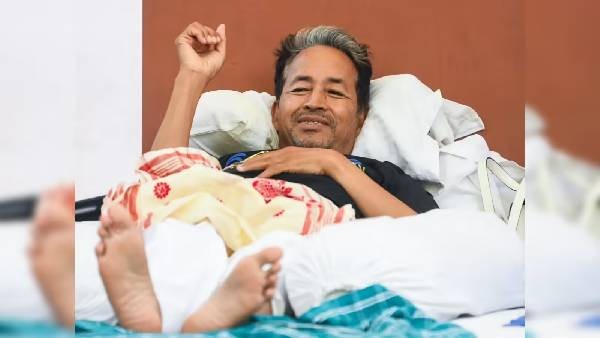
Sonam Wangchuk, noted climate activist and educationist, has been shifted from Delhi’s Safdarjung Hospital to Medanta Hospital in Gurugram following a Delhi High Court order. He remains on an indefinite hunger strike since June 28, protesting alleged NEET-UG 2026 exam irregularities, and is now under continuous medical supervision at Medanta.
Sonam Wangchuk’s Transfer to Medanta Hospital
The Delhi High Court directed the immediate transfer of Sonam Wangchuk to Medanta Hospital, Gurugram, citing his fundamental rights to life and personal liberty. His wife, Gitanjali Angmo, had petitioned for the move, arguing that his confinement at Safdarjung Hospital was unlawful. The court emphasized that Wangchuk should be treated at a hospital of his choice while remaining under expert medical care.
On July 21, 2026, Wangchuk was discharged from Safdarjung Hospital and admitted to ICU 8 at Medanta under the supervision of Dr. Sushila Kataria, an internal medicine specialist. His medical records, including reports of low potassium levels and pancytopenia, were handed over to ensure continuity of treatment.
Health Condition and Ongoing Protest
Despite being hospitalized, Wangchuk has refused to end his hunger strike, continuing his protest against alleged exam paper leaks and demanding accountability from the Union Education Ministry. His health parameters, including low leukocyte count and rising urea levels, have raised concerns among doctors, necessitating round-the-clock monitoring.
Union ministers JP Nadda and Jitendra Singh visited Medanta to check on his condition, reflecting the seriousness of the situation. Meanwhile, protests led by student groups and the Cockroach Janata Party (CJP) continue at Jantar Mantar, with demonstrators alleging excessive police force during recent marches.
Legal and Political Significance
The High Court’s decision underscores the balance between personal choice and medical necessity, affirming Wangchuk’s rights under Articles 19 and 21 of the Constitution. The ruling also highlighted concerns about his confinement at Safdarjung Hospital without legal authorization, framing the issue as one of constitutional rights rather than mere medical treatment.
Medanta Hospital’s reputation as a trusted facility for high-profile figures further reinforces the importance of this transfer. Founded by Dr. Naresh Trehan, Medanta has become one of India’s leading tertiary care centers, frequently chosen for complex medical cases