
Lathi Charge, Internet Cut: How CJP’s ‘Chalo Sansad’ March Brought Delhi to a Standstill
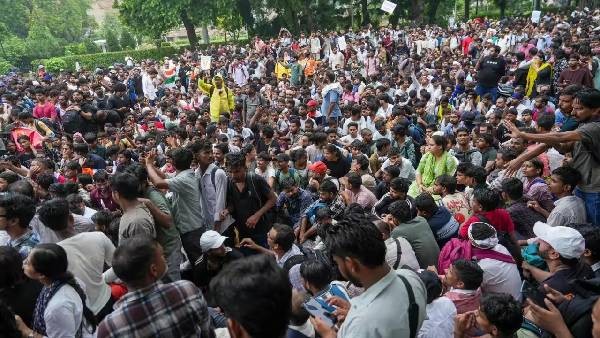
Delhi witnessed dramatic scenes as the Climate Justice Protest (CJP) carried out its much-publicized ‘Chalo Sansad’ march, demanding urgent action on climate change and environmental justice. What began as a peaceful demonstration quickly escalated into chaos when security forces resorted to a lathi charge to disperse the crowd. In addition, mobile internet services were suspended in several parts of the capital, leaving thousands of citizens disconnected and sparking widespread debate on civil liberties.
The march, which saw participation from students, activists, and civil society groups, aimed to draw attention to issues such as melting glaciers, rising pollution levels, and the need for stronger climate policies. Protesters carried placards, raised slogans, and attempted to march towards Parliament, symbolizing their demand for lawmakers to take immediate action. However, as the crowd swelled near barricaded zones, tensions rose between demonstrators and security personnel.
Eyewitnesses reported that the lathi charge created panic among the protesters, many of whom were injured in the scuffle. Medical teams rushed to provide first aid, while organizers condemned the use of force, calling it an attempt to silence legitimate voices. The suspension of internet services further fueled anger, with critics arguing that such measures undermine democratic rights and restrict the free flow of information.
Authorities defended their actions, stating that the measures were necessary to maintain law and order and prevent any untoward incidents. Officials claimed that the march had deviated from its permitted route, forcing security forces to intervene. Despite the crackdown, protesters vowed to continue their movement, emphasizing that climate justice cannot be delayed.
The incident has sparked nationwide debate on the balance between public order and the right to protest. Analysts note that while the government faces pressure to maintain peace in the capital, the heavy-handed response risks alienating young activists and environmental groups. The internet shutdown, in particular, has drawn criticism from digital rights advocates, who argue that such measures disrupt daily life and set a worrying precedent.
As Delhi recovers from the disruption, the CJP march has succeeded in drawing attention to its cause. The images of lathi charges, barricades, and disconnected citizens have amplified the urgency of climate action, ensuring that the debate continues both inside and outside Parliament. For now, the protest stands as a reminder of the growing tension between grassroots activism and state authority in India’s democratic landscape