
Actor-turned-politician and Tamilaga Vettri Kazhagam (TVK) president Vijay has proposed a major healthcare reform, stating that if a patient dies while undergoing treatment in a hospital, the family should not be required to pay the medical bill. The proposal has sparked widespread discussion, with many praising it as a compassionate move aimed at protecting grieving families from financial hardship.
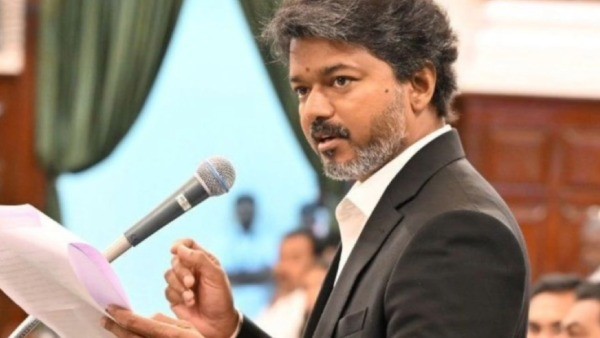
Speaking about the need for reforms in the healthcare system, Vijay stressed that medical care should prioritize humanity over profit. According to his proposal, hospitals should waive treatment charges in cases where a patient passes away, ensuring that families are not burdened with hefty bills during one of the most difficult moments of their lives.
The proposal comes amid growing concerns over rising healthcare costs across India. Many families are forced to borrow money or sell assets to pay hospital expenses, even when they lose a loved one despite prolonged treatment. Vijay argued that hospitals, particularly large private institutions, should adopt a more patient-centric approach and offer financial relief in such tragic circumstances.
Supporters of the proposal believe it could encourage greater accountability and transparency in the healthcare sector. They argue that the policy would provide emotional and financial support to families while reinforcing the idea that healthcare is a service dedicated to saving lives rather than merely generating revenue.
However, healthcare experts point out that implementing such a policy would require careful planning. Hospitals incur significant expenses for medicines, equipment, infrastructure, and medical staff, regardless of the treatment outcome. Industry experts believe that if such a reform is to become policy, governments may need to introduce compensation mechanisms, insurance support, or subsidies to ensure hospitals remain financially sustainable while protecting patients' families.
The proposal has generated mixed reactions on social media and among healthcare professionals. While many citizens have welcomed the idea as a humane initiative, others have questioned its practicality and financial implications for private hospitals. Discussions are also underway regarding whether the policy should apply to all hospitals or only government-run institutions.
Although Vijay's statement is currently a proposal and not an official government policy, it has reignited debate over patient rights, hospital billing practices, and the affordability of healthcare in India. As conversations continue, the proposal has brought attention to the broader need for reforms that balance quality medical care with financial protection for patients and their families.