
On June 6, 2026, Abhijeet Dipke, founder of the Cockroach Janta Party (CJP), arrived in New Delhi to spearhead a massive student-led protest at Jantar Mantar. Colloquially referred to as Abhishek by supporters, Dipke’s arrival marked a defining moment in the growing movement against alleged exam irregularities in India’s education system.
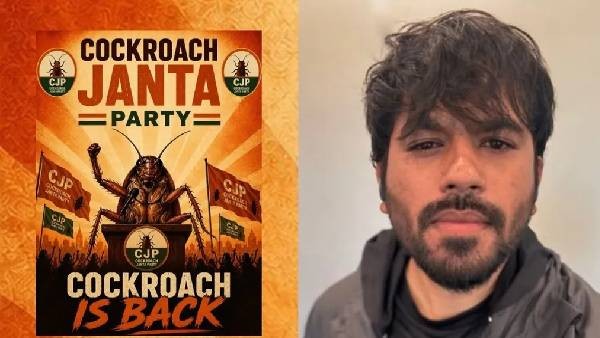
The central demand of his address was the immediate resignation of Union Education Minister Dharmendra Pradhan. Dipke accused the ministry of failing to safeguard the integrity of national examinations such as NEET and CBSE, pointing to repeated question paper leaks and evaluation discrepancies. He argued that these systemic failures have created widespread anxiety among millions of students, undermining trust in the education system.
Despite the intensity of his criticism, Dipke urged his supporters to maintain absolute peace and discipline. He emphasized that the protest must remain rooted in constitutional methods, declaring that the movement should be led with love rather than hostility. His call for nonviolence was reinforced by symbolic gestures: he asked attendees to carry the Indian National Flag (Tiranga) and a book, representing patriotism and knowledge.
In a striking move, Dipke instructed protestors to offer flowers to the Delhi Police, framing the demonstration as an act of respect and gratitude rather than confrontation. This gesture highlighted his commitment to democratic resistance and his rejection of aggressive tactics.
Upon landing at Delhi airport, Dipke was seen carrying B.R. Ambedkar’s autobiography, a deliberate choice meant to underscore the importance of democratic rights and social justice. His actions and words sought to connect the student movement with India’s broader legacy of constitutional struggle.
Dipke also dismissed allegations of political backing, insisting that the protest was entirely student-driven. He stressed that accountability must be demanded directly from the streets, not through partisan alliances.
The protest at Jantar Mantar thus became more than a rally against exam irregularities—it symbolized a larger call for systemic reform and youth empowerment. By blending sharp criticism with peaceful symbolism, Abhijeet Dipke positioned the Cockroach Janta Party as a unique force in India’s political landscape, one that thrives on resilience, inclusivity, and democratic resistance.