
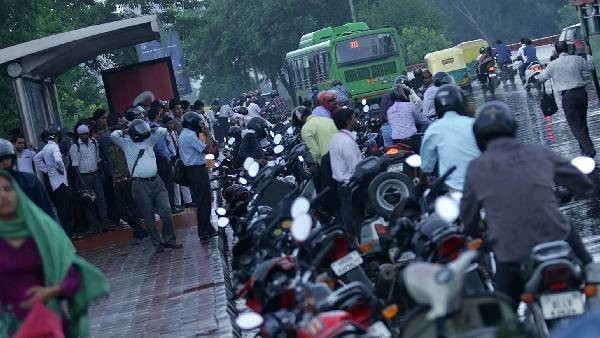
The Delhi government has announced a landmark decision to ban the registration of new petrol-powered two‑wheelers starting April 2028. This move is part of its broader strategy to combat air pollution and accelerate the transition toward electric mobility in the capital.
Policy Announcement
The ban will apply to all new petrol scooters and motorcycles registered in Delhi after April 2028. Existing vehicles will not be immediately affected, but the government has signaled that stricter emission norms and gradual phase‑outs could follow. The initiative is aligned with Delhi’s Electric Vehicle (EV) Policy, which aims to make the city a leader in sustainable urban transport.
Rationale Behind the Ban
Air Pollution Control: Two‑wheelers contribute significantly to vehicular emissions in Delhi, which consistently ranks among the most polluted cities globally.
EV Adoption Push: By restricting petrol registrations, the government hopes to accelerate the adoption of electric scooters and bikes, reducing dependence on fossil fuels.
Climate Goals: The ban supports India’s broader commitment to achieving net‑zero emissions by 2070, with Delhi taking a proactive role.
Impact on Consumers and Industry
Consumers: Buyers will need to shift toward electric alternatives, which are becoming more affordable thanks to subsidies and falling battery costs.
Manufacturers: Two‑wheeler companies will be compelled to expand their EV portfolios, invest in charging infrastructure, and innovate in battery technology.
Market Dynamics: The move is expected to boost demand for brands like Ola Electric, Ather Energy, and Bajaj Chetak, while traditional petrol‑focused manufacturers will face pressure to adapt.
Challenges Ahead
Charging Infrastructure: Delhi must rapidly expand its network of charging stations to support the expected surge in EVs.
Affordability: While EV prices are falling, they remain higher than entry‑level petrol bikes, requiring continued subsidies and financing options.
Consumer Awareness: Educating riders about the long‑term savings and environmental benefits of EVs will be crucial for smooth adoption