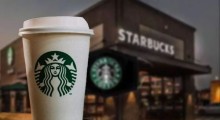
Starbucks, through its joint venture Tata Starbucks, plans to open 50–100 new stores every year in India, aiming to expand aggressively in one of its fastest-growing global markets. With over 500 outlets already and a 30% market share, the company sees potential to scale up to 8,000 stores in the long term.

-
Annual Growth: Starbucks will add 50–100 stores annually, strengthening its footprint across metros, Tier II, and Tier III cities.
-
Current Presence: The chain has over 500 outlets in 80 cities, doubling its store count in the past 4–5 years.
-
Market Share: Starbucks holds about 30% of India’s café market, competing with local chains like Blue Tokai, Third Wave Coffee, and abCoffee, as well as international rivals like Costa Coffee and Tim Hortons.
Why India is Key for Starbucks
-
Rising Coffee Culture: Only 24% of Indians drink coffee, compared to 93% who prefer tea. This gap represents huge growth potential as urbanization and disposable incomes rise.
-
Young Demographics: India’s millennial and Gen Z populations are driving café culture, making Starbucks a lifestyle brand rather than just a coffee chain.
-
Premium Demand: Starbucks’ Reserve stores, offering premium coffee experiences, have seen strong demand in Mumbai, Delhi, and Kolkata.
Financial Outlook
-
Profitability: Tata Starbucks recently turned EBITDA positive, halving its losses in FY26.
-
Revenue Growth: Operations revenue rose 7% year-on-year to ₹1,367 crore, supported by store expansion and same-store sales growth.
-
Long-Term Goal: Tata Consumer Products Chairman N. Chandrasekaran has projected up to 8,000 stores in India, highlighting the brand’s confidence in long-term scalability.
Challenges Ahead
-
Competition: Local artisanal brands are gaining traction with niche offerings and competitive pricing.
-
Profitability vs. Growth: Starbucks has stated it will not “sacrifice growth for profitability,” meaning aggressive expansion may continue despite short-term financial pressures.
-
Consumer Shifts: While coffee consumption is growing, tea remains dominant, requiring Starbucks to innovate with localized menus and formats