
Delhi-NCR is set to accelerate its transition towards electric mobility, with new restrictions on the registration of petrol, diesel and CNG goods vehicles coming into effect in phases from 2027. The move is part of efforts to tackle the region's persistent air-pollution problem and reduce emissions from commercial transport.
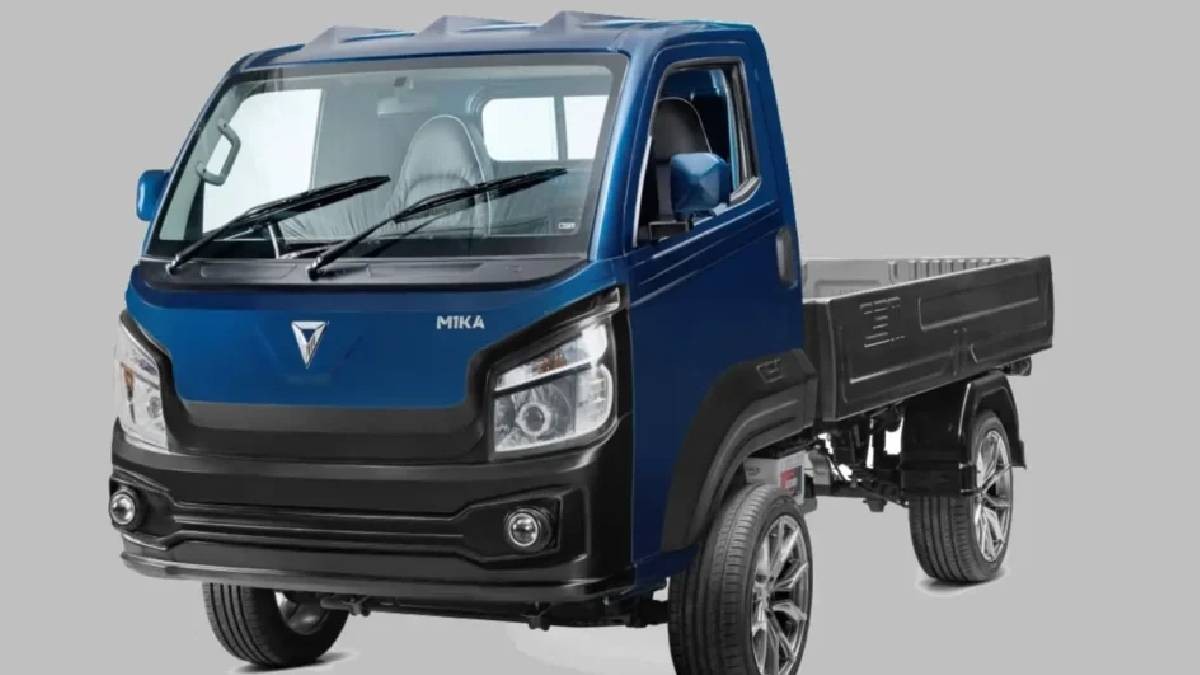
Only Electric Light Goods Vehicles in Delhi From 2027
Under the new rules approved by the Commission for Air Quality Management (CAQM), Delhi will stop registering new non-electric N1-category Light Goods Vehicles (LGVs) from January 1, 2027. This category covers goods vehicles with a gross vehicle weight of up to 3,500 kg.
That means new petrol, diesel and CNG vehicles falling under this category will no longer be eligible for registration in Delhi. Electric versions will effectively become the permitted option for new N1 goods-vehicle registrations.
What About Other NCR Cities?
The restrictions will be introduced across the National Capital Region in stages. High Vehicle Density districts including Gurugram, Faridabad, Sonipat, Ghaziabad and Gautam Buddha Nagar are scheduled to follow from July 1, 2027.
The remaining NCR districts are expected to adopt the N1 registration restriction from January 1, 2028.
Delhi-NCR Electric Goods Vehicle Timeline
Location New N1 Petrol/Diesel/CNG Registration Start Date
Delhi Not permitted January 1, 2027
Gurugram, Faridabad, Sonipat, Ghaziabad & Gautam Buddha Nagar Not permitted July 1, 2027
Remaining NCR districts Not permitted January 1, 2028
Bigger Goods Vehicles Face Restrictions Too
The transition will not stop with smaller delivery vehicles. From January 1, 2028, new non-electric N2-category goods vehicles with a gross vehicle weight between 3,500 kg and 7,500 kg will also face registration restrictions in Delhi.
This creates a longer-term roadmap for shifting commercial freight towards cleaner vehicle technologies.
Why Is Delhi-NCR Making This Change?
Air pollution is the primary reason behind the policy. Vehicle emissions are an important contributor to pollution in the Delhi-NCR region, and authorities are attempting to reduce emissions by targeting commercial goods vehicles.
Unlike private cars, light goods vehicles can spend long hours on roads making repeated delivery trips. Electrifying this segment could therefore help reduce tailpipe emissions from urban logistics.
The policy also aligns with Delhi's broader push towards electric mobility. The Delhi EV Policy 2026 provides a framework for accelerating the adoption of electric vehicles and includes phased registration restrictions for certain vehicle categories.
What It Means for Delivery and Logistics Businesses
The new rules could significantly affect businesses operating delivery fleets in Delhi-NCR. Companies purchasing new light commercial vehicles will increasingly need to consider electric alternatives.
Fleet operators may have to plan for:
Higher upfront EV purchase costs
Charging infrastructure
Depot charging requirements
Vehicle range and delivery routes
Battery replacement and maintenance
Financing and operating costs
At the same time, electric commercial vehicles can potentially offer lower running and maintenance costs compared with conventional fuel-powered vehicles.
Will Existing Petrol, Diesel and CNG Goods Vehicles Be Banned?
The current measure primarily concerns new vehicle registrations, rather than an immediate ban on all existing petrol, diesel and CNG goods vehicles.
Therefore, owners of existing vehicles should not interpret the announcement as meaning that every currently registered goods vehicle will immediately become illegal to operate. The restrictions are designed primarily as a phased transition for new registrations.
What Happens Next?
The 2027 restrictions represent a significant shift in India's commercial vehicle market. Manufacturers are likely to face greater demand for electric vans, mini-trucks and other light commercial EVs, while logistics companies will need to rethink fleet replacement strategies.
For consumers, the change could eventually result in cleaner urban deliveries and lower tailpipe pollution. For fleet owners, however, the transition will require careful planning around vehicle costs, charging infrastructure and operational range.