
The Delhi government has introduced stricter safety measures for buses operating in the national capital following the alleged gang-rape of a 16-year-old girl inside a moving sleeper bus in the Delhi-NCR region. The incident has raised serious questions about passenger safety, monitoring systems and enforcement of existing transport regulations.
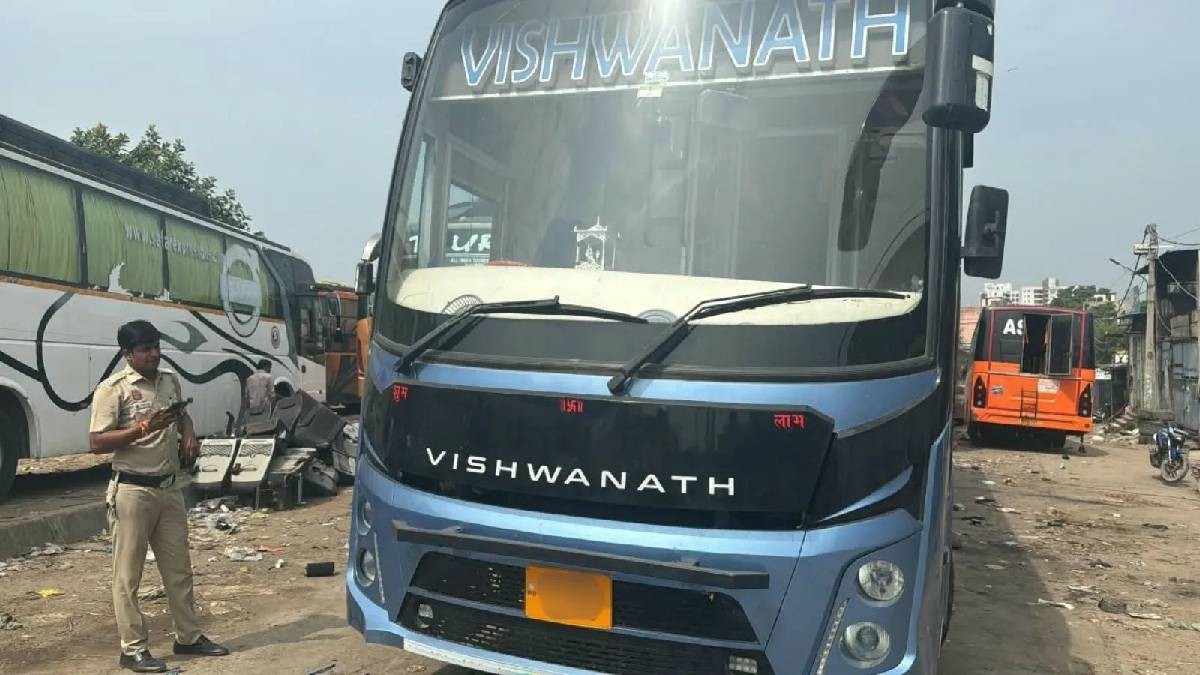
Under the new directions, buses operating in Delhi, including interstate services, will be required to have functional CCTV cameras, panic buttons and Vehicle Location Tracking Devices (VLTDs). Authorities have also moved to prohibit curtains and tinted films that can obstruct visibility inside passenger compartments.
Curtains and Tinted Films Banned
One of the key changes is the ban on curtains and tinted films that prevent people outside a bus from seeing inside. The move follows reports that the bus involved in the alleged assault had heavy curtains covering its windows, restricting visibility from outside.
The government believes that maintaining clear visibility can improve surveillance and make it harder for criminal activity to take place unnoticed.
Panic Buttons Must Be Functional
The revised safety directions also stress that panic buttons installed in buses must actually work. Vehicle location tracking systems are similarly expected to remain operational so that authorities can monitor buses and respond more quickly during emergencies.
The measures are particularly important for women, children and other vulnerable passengers who may need immediate assistance while travelling.
CCTV Monitoring Under Focus
The alleged Greater Noida incident exposed a major weakness in onboard surveillance. Investigators found that the CCTV system on the bus was reportedly not functioning at the time of the incident. Police instead relied on external CCTV footage and other forensic evidence while tracing the suspects.
The incident has prompted renewed demands for stricter inspections and accountability among private bus operators.
Greater Noida Bus Case
The 16-year-old girl was allegedly assaulted inside a moving sleeper bus after boarding at Pari Chowk in Greater Noida. Delhi Police have arrested the driver and conductor in connection with the case, while the bus was seized as part of the investigation.
The National Human Rights Commission has also taken cognisance of the case and sought reports from the Delhi and Gautam Buddh Nagar police authorities.
The Delhi government's latest measures are aimed at closing safety gaps and ensuring that buses comply with mandatory passenger-protection standards. Authorities have indicated that violations could invite action against operators.
The effectiveness of the new rules, however, will depend on regular inspections, functioning equipment and strict enforcement. The case has once again highlighted that safety regulations can protect passengers only when transport operators consistently follow them.