On May 5, 2026, Samajwadi Party leader Akhilesh Yadav marked the first Bada Mangal of the year by posting verses from the Hanuman Chalisa. The tradition, deeply cherished in Lucknow, involves temple visits, devotional recitations, and the sharing of sweets. This year’s observance is particularly rare, stretching across eight consecutive Tuesdays, adding cultural weight to the festivities.
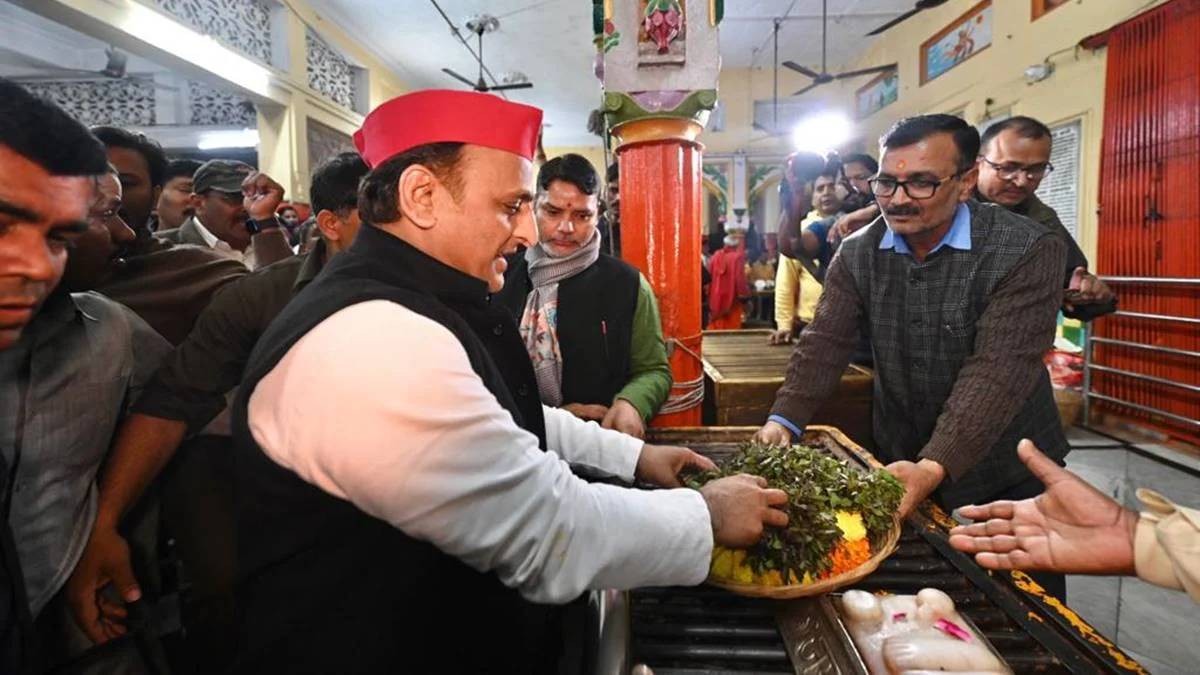
Yadav’s post, however, quickly drew mixed reactions. Coming just as the BJP celebrated electoral victories in West Bengal, Tamil Nadu, and other states, critics accused him of opportunism, suggesting the gesture was aimed at appealing to rising Hindu voter sentiments. Some replies resurfaced old photographs and quips about political fear, framing the post as a calculated move rather than a purely devotional one.
Supporters, including his uncle Shivpal Yadav, echoed the greetings, emphasizing the importance of cultural unity and tradition. Yet the online discourse highlighted how festivals can become flashpoints in India’s political landscape, especially with the 2027 Uttar Pradesh polls looming.
Observers note that Yadav’s invocation of Hanuman Chalisa verses reflects a broader trend of political leaders engaging with religious traditions to connect with grassroots communities. While such gestures resonate with cultural pride, they also invite scrutiny in a climate where faith and politics often intersect.