
A recent report by the Comptroller and Auditor General of India (CAG) has raised serious concerns over basic passenger amenities and sanitation at railway stations across the country. The audit, which covered 512 non-suburban grade stations across different railway zones, found deficiencies ranging from unsafe drinking water to inadequate toilets, seating facilities, dustbins and passenger information systems. The findings have highlighted gaps even at several major and busy railway stations.
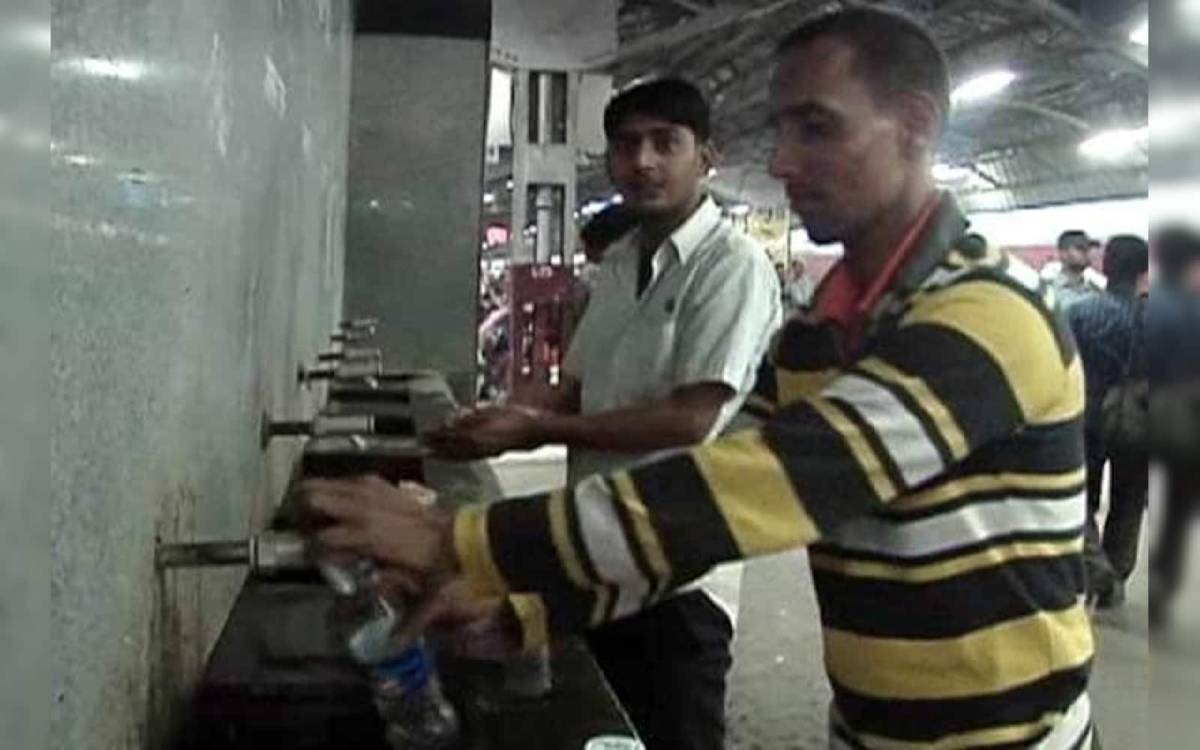
One of the most serious concerns relates to drinking water. According to the audit, water samples collected from taps at 49 stations across eight railway zones in 2022-23 and 56 stations across nine zones in 2023-24 showed the presence of total coliform bacteria, including E. coli. The bacteria was detected in samples from several stations, including Coimbatore and Palakkad in Southern Railway, Hyderabad in South Central Railway, and Chhatrapati Shivaji Maharaj Terminus, Bhiwandi Road, Kalyan and Lonavala in Central Railway. Madhupur in Eastern Railway was also among the stations flagged.
The presence of E. coli is particularly worrying because certain strains can cause illnesses such as food poisoning and diarrhoea, while severe infections can lead to serious complications. The findings raise questions about the regular monitoring and maintenance of drinking-water facilities provided to millions of railway passengers every day. The CAG has called for stronger monitoring mechanisms and adherence to prescribed safety protocols.
The audit also found shortcomings in basic passenger facilities. Major stations, including New Delhi, Mumbai Central, Howrah and Sealdah, were reportedly found lacking in one or more essential amenities such as adequate seating, toilets, dustbins and electronic display boards. These facilities are particularly important at high-footfall stations where thousands of passengers arrive and depart every day.
Sanitation emerged as another major concern. The audit observed instances of non-functional or unhygienic toilets and urinals, along with deficiencies in garbage management and cleaning operations. It also noted inadequate supervision of sanitation work. Despite expenditure on station-cleaning activities, the audit found that deficiencies continued to persist at several locations.
The CAG findings point to a gap between the availability of infrastructure and its actual upkeep. A railway station may have toilets, drinking-water points and waste bins on paper, but passengers can benefit from these facilities only when they are functional, clean and regularly maintained.
The report has recommended that Indian Railways ensure safe drinking water and proper sanitation at stations while strengthening inspection and monitoring systems. With railway stations serving as crucial public spaces for millions of people, the findings underline the need for consistent investment, accountability and regular quality checks.
The revelations have also renewed the focus on passenger experience at India's railway stations. While major redevelopment projects are transforming several terminals, the CAG findings suggest that attention must simultaneously remain on basic necessities such as clean water, usable toilets, waste disposal and reliable passenger information systems.