
India has set an ambitious long-term target of becoming a $30 trillion-plus economy by 2047, as part of the broader Viksit Bharat vision. Union Commerce and Industry Minister Piyush Goyal has repeatedly highlighted the country's potential to achieve this milestone through sustained economic growth, deeper global trade ties, investment and innovation. The government sees the 100th anniversary of India's Independence as a major deadline for transforming the country into a developed economy.
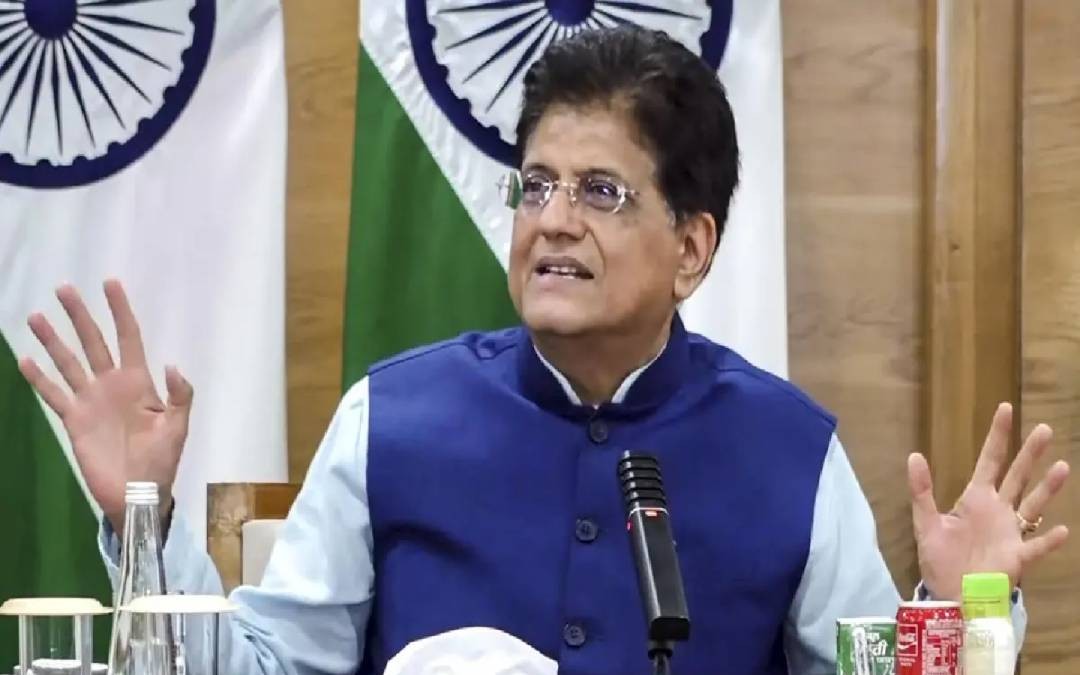
Goyal has said India could reach a $30–35 trillion economy by 2047. At the Global Economic Cooperation 2026 conference, he said India is expected to add around $26 trillion to its economy between now and 2047, describing the scale of the opportunity as unprecedented. He also said India is moving towards becoming the world's third-largest economy by 2027–28.
International trade is expected to play a crucial role in achieving the ambitious target. Goyal has stressed that India needs to expand its international engagement and strengthen economic partnerships with countries around the world. Free trade agreements, according to the minister, can help Indian businesses access new markets while attracting investment and technology into the country. The government has also been pushing Indian companies to become more competitive in global supply chains.
Exports are another important component of the strategy. India is targeting total exports of around $1 trillion in the current financial year, with overseas shipments showing strong growth in the opening months. The government believes stronger exports can support manufacturing, create employment and improve India's position in international markets.
Manufacturing, technology and innovation are also central to the long-term economic vision. The government has been encouraging investment in areas such as semiconductors, electronics, artificial intelligence, digital infrastructure and advanced manufacturing. AI in particular is being viewed as a potential growth engine, with experts stressing the importance of combining India's young workforce with technology, education and innovation.
Infrastructure development will remain equally important. Better roads, railways, ports, airports, logistics networks and digital connectivity can help reduce business costs and improve the movement of goods and services. At the same time, India faces challenges including job creation, energy security, productivity, income disparities and the need for continued structural reforms.
The $30 trillion target is therefore not simply a measure of economic size but a broader development ambition. The objective is to create a stronger manufacturing base, expand exports, attract investment, improve living standards and provide greater opportunities for India's growing workforce. With more than two decades remaining until 2047, policymakers believe sustained reforms and high-quality economic growth will be essential to turning the vision into reality.
The target remains ambitious and will require India to maintain strong growth for years while navigating global economic uncertainty. However, the government's focus on trade, infrastructure, technology, investment and human capital reflects its strategy to build a larger and more globally competitive economy by the time India reaches its centenary of independence.