
A social media post highlighting the garbage situation in Gurugram has triggered a wider conversation about taxation, civic infrastructure and the quality of public services. A founder who claims to have paid ₹58 crore in taxes shared a picture showing garbage piled up in a Gurugram locality, accompanied by the pointed remark, “This is what our taxes fund.”
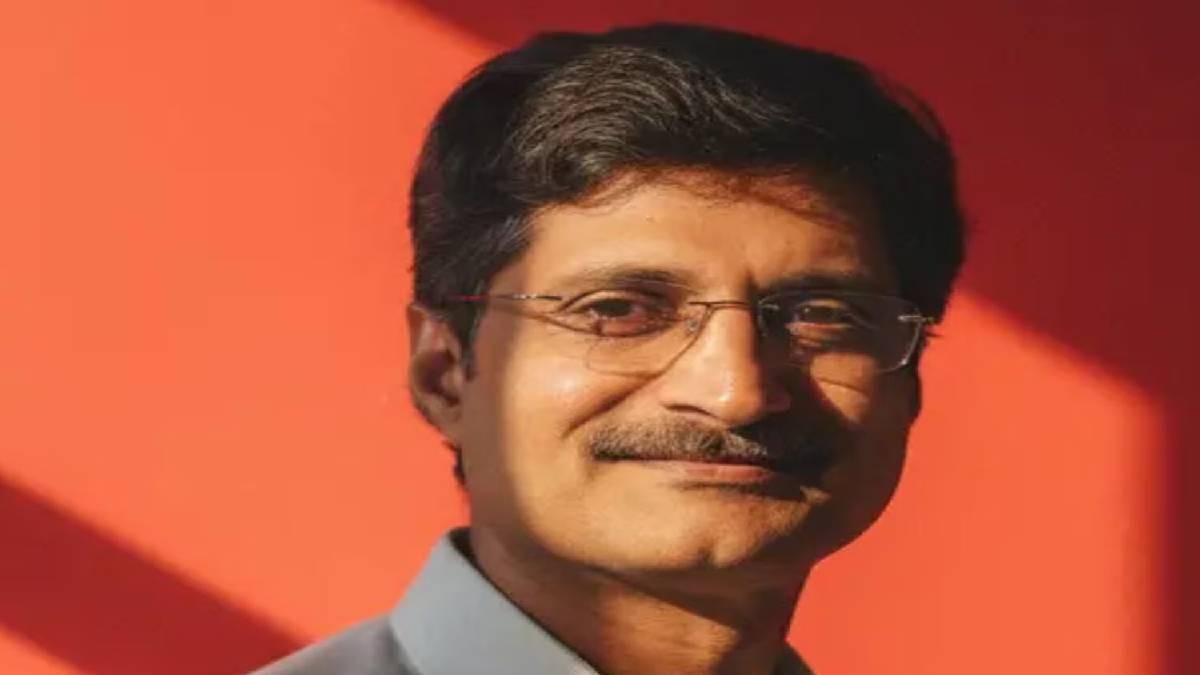
The post quickly attracted attention online, with users debating whether taxpayers receive adequate civic services in return for the taxes they contribute.
Garbage Becomes a Symbol of Civic Concerns
The photograph shared by the founder appears to show waste accumulated in a public area. Such scenes have become a recurring concern in rapidly growing urban centres, where population growth and expanding residential and commercial areas can place pressure on waste-management systems.
Gurugram, one of India's major corporate and technology hubs, has experienced significant urban development over the years. However, questions surrounding waste collection, road maintenance, drainage and other civic services have periodically generated public criticism.
For taxpayers, visible problems such as overflowing garbage can create frustration, particularly when they compare the taxes they pay with the public infrastructure available around them.
“This Is What Our Taxes Fund”
The founder's statement was deliberately provocative, drawing attention to the perceived gap between tax contributions and civic amenities.
The post also prompted a broader discussion about how public money is collected and spent. Several social media users agreed that taxpayers should demand accountability and better municipal services. Others argued that civic problems cannot necessarily be attributed directly to individual taxpayers' contributions because government revenue is allocated across numerous sectors and levels of administration.
Some users also pointed out that maintaining clean public spaces requires cooperation between authorities, private contractors and citizens.
Debate Over Accountability
The incident has once again raised questions about accountability in urban governance. Residents expect basic services such as regular waste collection, clean streets, functioning drainage systems and properly maintained public spaces.
At the same time, municipal authorities face challenges involving rapidly expanding cities, waste generation, infrastructure capacity and enforcement of waste-disposal rules.
Experts and civic activists have frequently emphasized that improving urban cleanliness requires more than occasional clean-up drives. Consistent collection, segregation of waste at source, efficient processing and strict monitoring are essential for sustainable waste management.
Social Media Puts Civic Issues Under Spotlight
Posts featuring photographs of poor civic conditions often gain significant attention because they provide residents with a direct platform to highlight local problems. In this case, the founder's reference to a ₹58-crore tax payment added another dimension to the discussion.
The viral post ultimately reflects a larger question faced by growing Indian cities: How effectively are public resources being converted into everyday civic services?
Whether the photograph leads to action remains to be seen, but the discussion has once again placed Gurugram's waste-management challenges and taxpayer expectations firmly in the public spotlight.