
The Government of India has revised export duties on key petroleum products, providing relief to fuel exporters amid changes in global crude oil and refined-product prices. The latest revision, effective from August 15, 2026, completely removes the export duty on petrol while reducing levies on diesel and aviation turbine fuel (ATF).
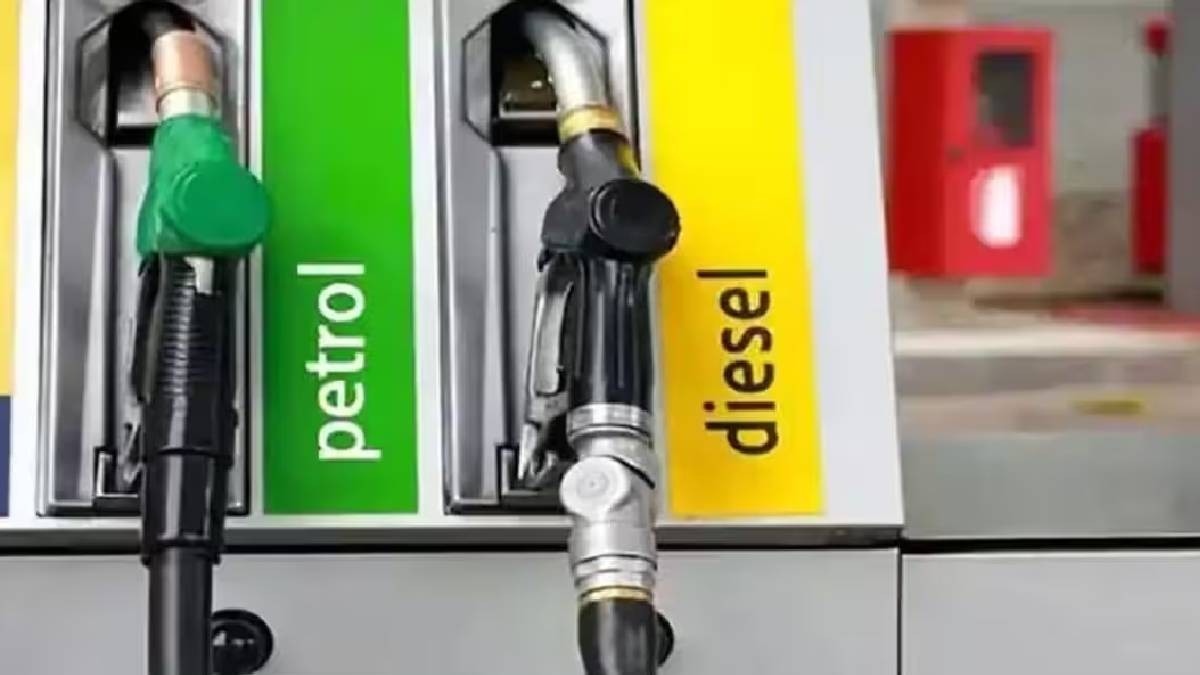
Under the revised structure, the export duty on petrol has been reduced to zero from ₹3.50 per litre. The levy on diesel exports has been lowered to ₹24 per litre from ₹25.50 per litre, representing a reduction of ₹1.50 per litre. Meanwhile, the export duty on aviation turbine fuel has been cut to ₹19.50 per litre from ₹22 per litre.
The changes form part of the government's periodic review of export levies on petroleum products. These duties are adjusted at regular intervals based on movements in international crude oil and petroleum-product prices. The latest reduction comes as global oil-market conditions have changed, affecting refinery margins and the economics of exporting refined fuels from India.
What The New Rates Mean
The removal of the petrol export duty is expected to provide the biggest immediate relief to refiners and exporters dealing in petrol shipments. With the levy now at zero, exporters will no longer have to pay the earlier ₹3.50-per-litre duty on petrol exports.
Diesel exporters will also benefit, although the levy remains substantial at ₹24 per litre. Similarly, ATF exporters will see their tax burden decline by ₹2.50 per litre, potentially improving export economics for aviation fuel.
The government had originally introduced windfall taxes on petroleum products in July 2022, when international crude prices and refined-product margins surged. The objective was to capture extraordinary profits earned from exports while ensuring adequate domestic fuel availability. The tax regime was subsequently withdrawn in 2024 before being reintroduced in 2026 amid renewed volatility in global energy markets.
Impact On Domestic Fuel Prices
The latest move should not be confused with a direct reduction in petrol or diesel prices at Indian fuel stations. The revised levies apply to exports, rather than the taxes charged on fuel sold domestically. Petrol and diesel prices in major Indian cities remained unchanged on August 15 despite the export-duty revision.
For Indian refiners, however, lower export levies could improve margins and make overseas sales more competitive. The move also demonstrates the government's approach of adjusting petroleum taxes according to changing international market conditions.
With global oil prices remaining sensitive to geopolitical developments, further revisions to export duties could be considered in the coming fortnightly reviews.