
The corporate world was taken by surprise when N. Chandrasekaran announced his resignation as Chairman of Tata Sons, confirming he would not seek reappointment after his current term ends in February 2027. His decision comes amid internal disagreements between Tata Sons and Tata Trusts, marking a pivotal moment in the leadership of India’s largest conglomerate.
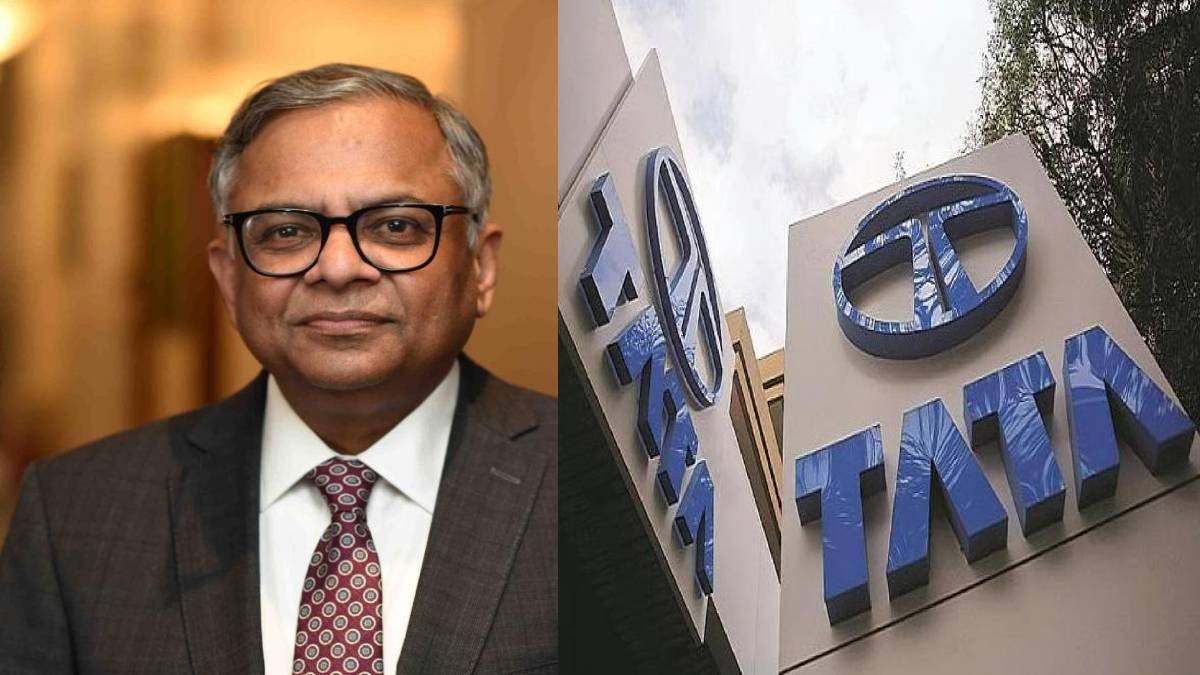
One of the immediate questions following his exit is about his salary and earnings during his tenure. As Chairman of Tata Sons, Chandrasekaran drew a substantial compensation package reflective of his responsibilities in steering a $400-billion enterprise. Reports indicate that his annual salary was in the range of ₹65–70 crore, including fixed pay, performance-linked incentives, and perks. This figure placed him among the highest-paid corporate leaders in India.
Chandrasekaran’s earnings were not limited to Tata Sons alone. He also held positions across several Tata Group companies, including Tata Consultancy Services (TCS), where he previously served as CEO and Managing Director. His leadership at TCS was instrumental in driving the company’s global expansion, and his compensation there was equally significant, often crossing ₹30 crore annually before he moved to Tata Sons.
Beyond salary, Chandrasekaran’s role came with extensive benefits, including allowances, stock options, and performance bonuses tied to group profitability. Under his stewardship, Tata Group revenues nearly doubled from ₹7.89 lakh crore in FY20 to ₹16.24 lakh crore in FY26, while profits rose more than fivefold. His compensation reflected this growth, aligning with global standards for conglomerate leadership.
The resignation, however, highlights deeper issues within Tata Sons. Disagreements with Tata Trusts, which own 66% of the holding company, reportedly centered around governance and strategic commitments. Noel Tata, Chairman of Tata Trusts, opposed Chandrasekaran’s continuation, particularly over his refusal to commit that Tata Sons would never be listed.
Chandrasekaran’s exit not only raises questions about succession planning but also about the future of Tata Sons’ governance structure. His salary and earnings, while substantial, are overshadowed by the legacy he leaves behind—transforming the Tata Group into a modern, globally competitive enterprise.
For stakeholders, the focus now shifts to who will succeed him and whether the new leadership will maintain the balance between Tata Trusts’ influence and the operational independence of Tata Sons. Chandrasekaran’s tenure, marked by high compensation and remarkable achievements, sets a high benchmark for whoever takes the reins next