
The Indian government is stepping up its manufacturing push with major incentives for the mobile phone and construction equipment sectors, aiming to deepen domestic production, attract investment and reduce dependence on imports. Two initiatives announced or being finalised this year could reshape India's electronics and infrastructure-equipment manufacturing landscape.
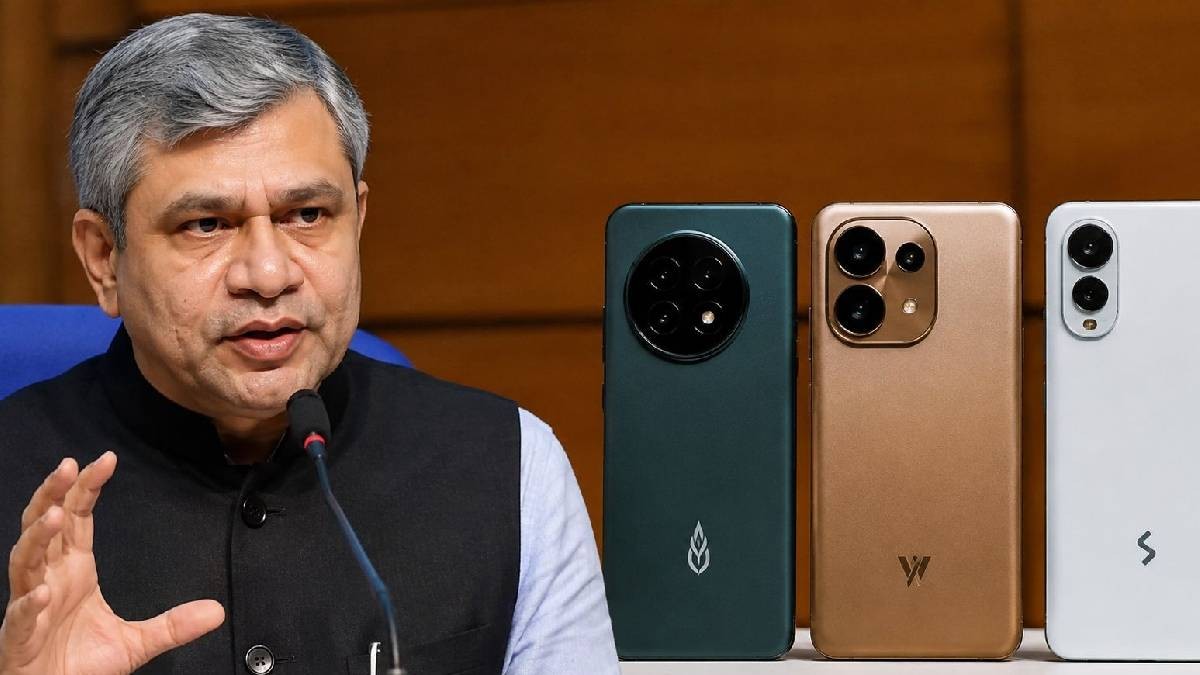
At the centre of the electronics push is the ₹62,500 crore Mobile Phone Manufacturing Scheme (MPMS), which will run from FY2026-27 to FY2030-31. The scheme provides incentives ranging from 2.25% to 5% of eligible sales for mobile phones manufactured in India. It also offers an additional incentive of up to 1.5% for domestic sourcing of key components and sub-assemblies. Indian brands can receive an additional 3% incentive linked to product design and research and development.
The new programme is designed to move India's mobile manufacturing industry beyond assembly and towards greater local value addition. Existing manufacturers and electronics manufacturing services companies meeting the prescribed eligibility criteria can participate, while a separate track is aimed at encouraging Indian-owned brands.
India has already emerged as the world's second-largest mobile phone manufacturing country, while more than 99% of mobile phones sold domestically are now manufactured within the country. The government's latest scheme seeks to strengthen this position by expanding component manufacturing, supporting Indian brands and increasing export-oriented production.
$1.2 Billion Push for Construction Equipment
The government is also preparing a $1.2 billion incentive programme for high-value construction and infrastructure equipment. According to Reuters, the proposed seven-year scheme could attract approximately $1.8 billion in fresh investment into domestic manufacturing.
The programme is expected to cover technologically advanced equipment such as tunnel boring machines (TBMs), high-rise elevators and firefighting systems. A major objective is to reduce India's dependence on imported machinery, particularly equipment sourced from China.
Companies such as BEML, Larsen & Toubro and Johnson Lifts could benefit from the initiative. BEML, for instance, has plans to develop indigenous tunnel boring machines, which could help India build domestic capabilities in an area where imports have traditionally played a major role.
Manufacturing Strategy Expands
Together, the two initiatives reflect India's broader strategy of combining financial incentives with higher domestic-content requirements. The mobile scheme focuses on electronics, components and Indian brands, while the construction-equipment programme targets advanced machinery needed for the country's rapidly expanding infrastructure sector.
The government hopes these measures will generate fresh investment, create jobs, strengthen supply chains and improve India's ability to manufacture sophisticated products domestically. They also fit into the wider Make in India and Atmanirbhar Bharat strategy.
With smartphones already becoming one of India's major manufacturing and export success stories, policymakers are now attempting to replicate that progress in more capital-intensive sectors such as tunnel-boring and infrastructure equipment.