Karnataka Chief Minister Siddaramaiah has raised sharp concerns about the way the Indian government handles revenue collected through cess and surcharges. Speaking on the issue, he pointed out that while the Centre collected an enormous ₹6 lakh crore under these heads, not a single paisa was shared with the states. His statement has sparked debate about fiscal federalism and the balance of financial power between the Union and the states.
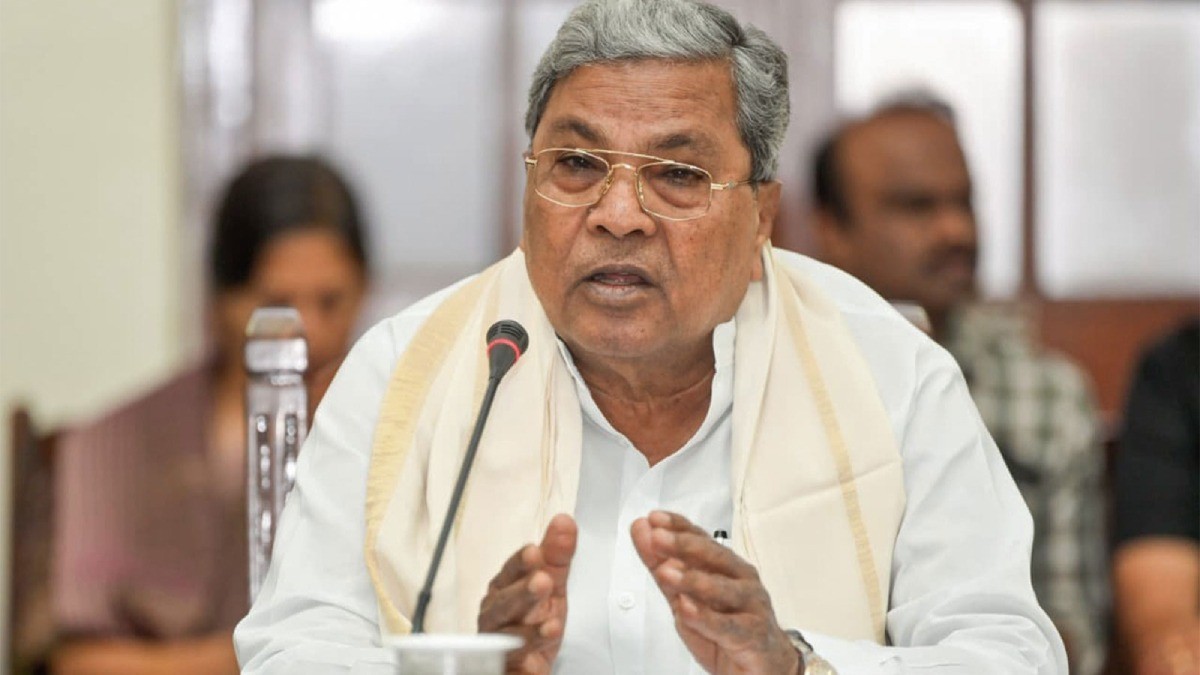
For many, Siddaramaiah’s words resonate with the everyday struggles of state governments. States are often at the forefront of delivering essential services—healthcare, education, infrastructure—yet they rely heavily on funds from the Centre to meet these responsibilities. When such large sums are withheld, it places additional strain on state budgets, forcing them to stretch resources while citizens continue to demand better facilities and opportunities.
The issue also highlights a deeper question about trust and cooperation in India’s federal structure. While the Centre argues that cesses and surcharges are necessary for national priorities, states feel sidelined when they are excluded from the distribution of these funds. Siddaramaiah’s remarks reflect the frustration of leaders who believe that equitable sharing is not just about money, but about respect for the role states play in nation-building.
At the heart of this debate lies the human impact. For ordinary citizens, these financial tussles translate into the quality of roads they travel on, the schools their children attend, and the hospitals they depend on. Siddaramaiah’s statement is a reminder that behind the numbers are real lives, and that fiscal policies must ultimately serve the people. Whether this sparks a larger conversation on reforming revenue-sharing mechanisms remains to be seen, but the call for fairness has clearly struck a chord.