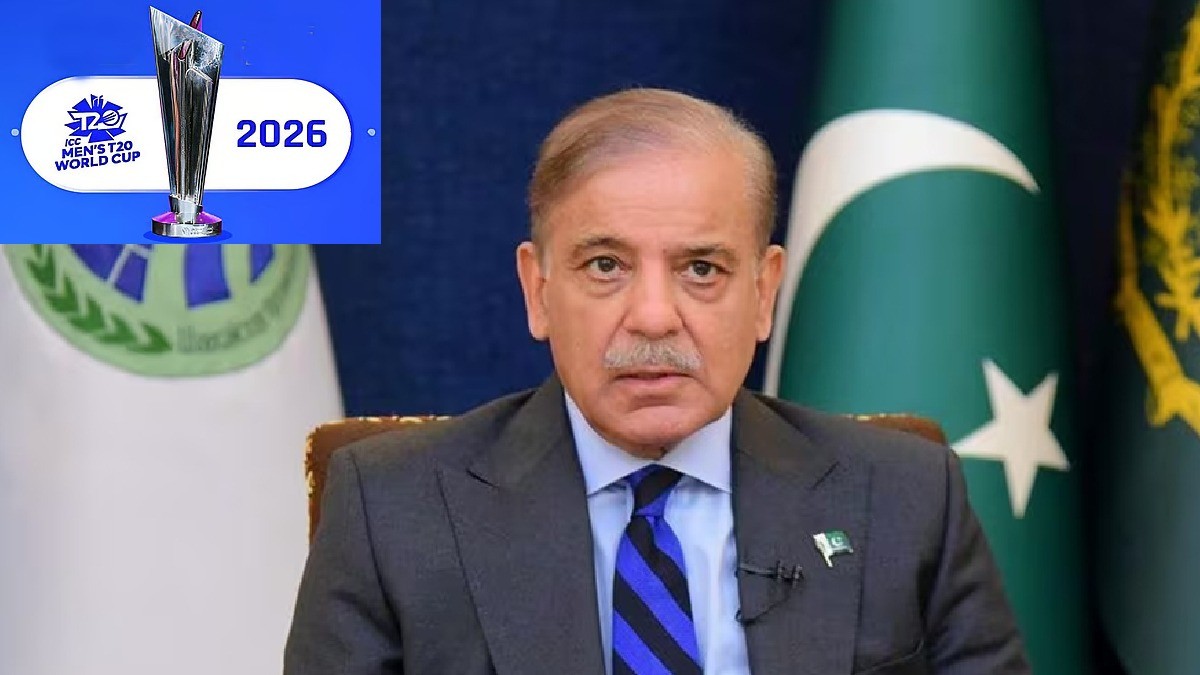
In a surprising turn of events, Pakistani Prime Minister Shehbaz Sharif reportedly declared that Pakistan would not play against India in the upcoming T20 World Cup, aligning with Bangladesh in solidarity. His statement—“We will not play with India in the T20 World Cup. We stand with the Bangladesh”—has sparked intense debate across the cricketing world. For fans, the announcement feels less like a sporting decision and more like a political stance, raising questions about the future of one of cricket’s most anticipated rivalries.
The idea of a boycott may sound defiant, but the ripple effects could be enormous. Broadcasters, who invest millions banking on the India-Pakistan clash, would likely challenge such a move legally. The India-Pakistan fixture is not just a match—it’s the crown jewel of cricket broadcasting, drawing record-breaking viewership worldwide. Without it, contracts, sponsorships, and advertising deals could collapse, leaving broadcasters scrambling and potentially dragging cricket boards into courtrooms.
Financially, the International Cricket Council (ICC) would face a dilemma. India-Pakistan matches generate a significant portion of tournament revenue, and a boycott could force the ICC to pause or reconsider revenue distribution. For Pakistan, the consequences could extend beyond the World Cup. The Pakistan Super League (PSL), which relies heavily on foreign players and international visibility, might struggle to attract overseas talent if the country is seen as isolating itself from global cricket. The absence of foreign stars would not only hurt the PSL’s brand but also disappoint fans who cherish the league’s diversity.
At its heart, this situation is about more than cricket—it’s about pride, politics, and the power of sport to unite or divide. For players, missing out on the World Cup’s biggest stage would be heartbreaking, while fans would lose the thrill of witnessing one of the fiercest rivalries in sports. As the debate unfolds, one thing is clear: cricket is never just a game in South Asia. It’s a mirror of national sentiment, and decisions like these remind us how deeply intertwined sport and society truly are.