
The Karnataka government has proposed a significant change to Bengaluru’s building regulations by raising the height threshold for high-rise classification from 15 metres to 21 metres. This move is expected to reshape the city’s real estate landscape, offering developers more flexibility while also sparking debates about urban planning and infrastructure readiness.
What the Proposal Means
Currently, any building above 15 metres is considered a high-rise, requiring stricter compliance with fire safety, structural design, and environmental clearances. By increasing the threshold to 21 metres, mid-rise buildings will enjoy relatively simpler approval processes, potentially reducing costs and timelines for developers.
Impact on Real Estate
Developers: Builders can design taller projects without being classified as high-rise, encouraging more vertical growth in residential and commercial sectors.
Homebuyers: Buyers may benefit from more affordable housing options as compliance costs reduce.
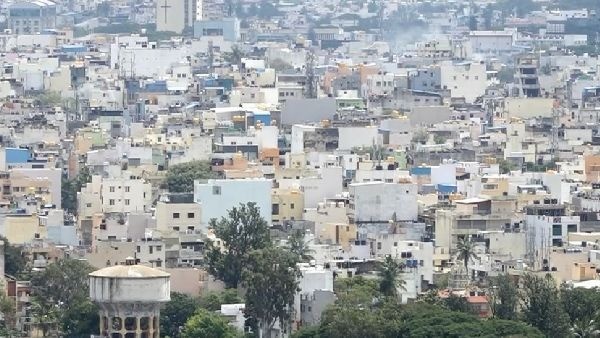
Urban skyline: The city’s skyline could see denser clusters of mid-rise buildings, bridging the gap between traditional apartments and skyscrapers.
Challenges and Concerns
While the proposal aims to streamline development, Bengaluru’s existing infrastructure—roads, traffic management, and drainage systems—remains under strain. Critics argue that raising height limits without parallel upgrades to civic amenities could worsen congestion and stress public services. Fire safety experts also emphasize the need for robust enforcement of building codes, regardless of classification.
Broader Context
This proposal reflects Bengaluru’s rapid urbanization and the government’s attempt to balance growth with regulation. The city has long been a magnet for IT companies, startups, and real estate investment, and easing restrictions could further fuel expansion. However, sustainable planning will be critical to ensure that vertical growth does not compromise livability.