
The Karnataka School Examination and Assessment Board (KSEAB) has released official data revealing a striking trend among SSLC students. Out of 8.1 lakh students, nearly 7.6 lakh—93%—opted for Hindi as their third language. This overwhelming preference places Hindi far ahead of English, chosen by 32,135 students, and Kannada, selected by just 11,483 students.
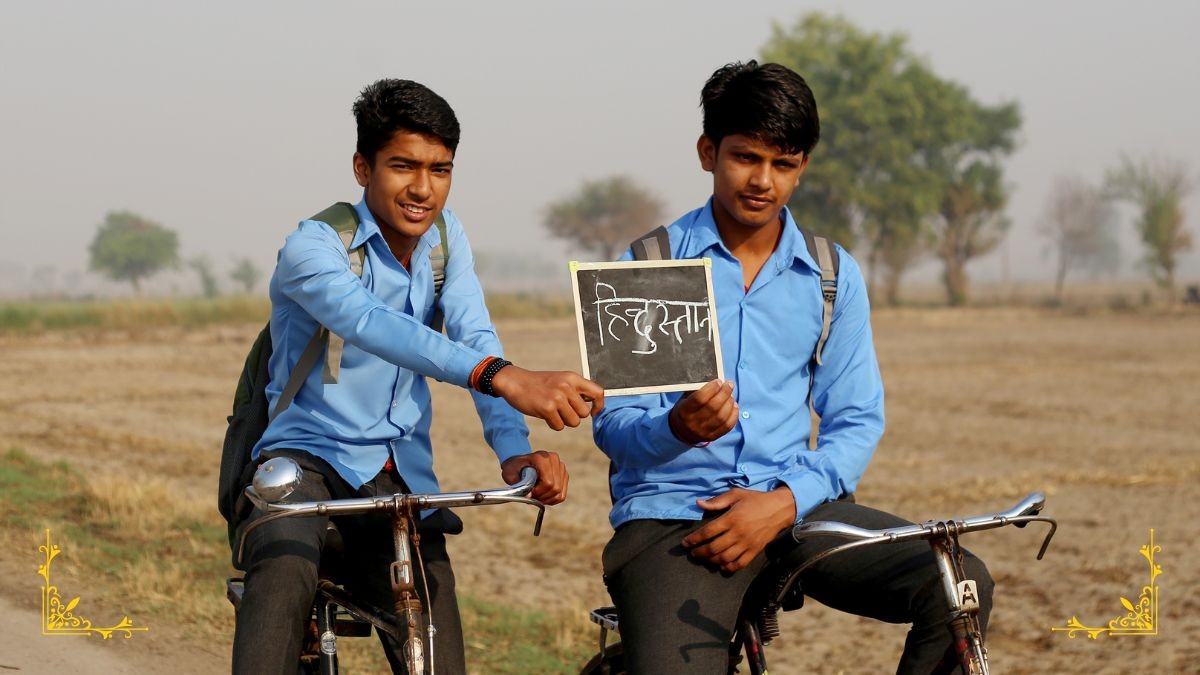
Student Preference vs. Regional Rhetoric
Supporters of this trend argue that the numbers reflect genuine student choice, suggesting that Hindi’s popularity stems from its perceived utility and accessibility. They see it as evidence that students prioritize practicality over regional or political debates surrounding language. Critics, however, point out that many schools default to Hindi as the third language, often based on their medium of instruction, which may skew the data.
Policy Changes and Backlash
Recently, the Karnataka government decided to remove third-language marks from the final aggregate scores. The move was intended to reduce academic stress on students, ensuring that performance in core subjects carried more weight. However, this decision sparked backlash from opponents, who labeled it “anti-Hindi,” arguing that it undermines the importance of the language and could discourage students from taking it seriously.
The Larger Context
The dominance of Hindi as a third language in Karnataka reflects broader cultural and educational dynamics. While Kannada remains the state’s official language and English continues to be a global medium, Hindi’s role as a widely spoken national language makes it attractive for students seeking broader communication and career opportunities.
The data underscores a complex intersection of student preference, institutional practices, and policy decisions. Whether driven by practicality, school defaults, or cultural influence, the overwhelming choice of Hindi highlights its growing significance in Karnataka’s education system. As debates continue over language policies, the voices of students—who ultimately shape the future—remain central to the conversation.