
ndia’s LPG supply chain is facing mounting pressure due to disruptions in the Strait of Hormuz, a critical global energy corridor currently affected by geopolitical tensions. Despite the risks, two Indian‑flagged LPG carriers carrying nearly 94,000 tonnes of cooking gas successfully crossed the conflict zone and are expected to dock at Mumbai and New Mangalore ports midweek. This safe passage has provided temporary relief to the domestic market, but concerns remain about future shipments if instability continues in the region.
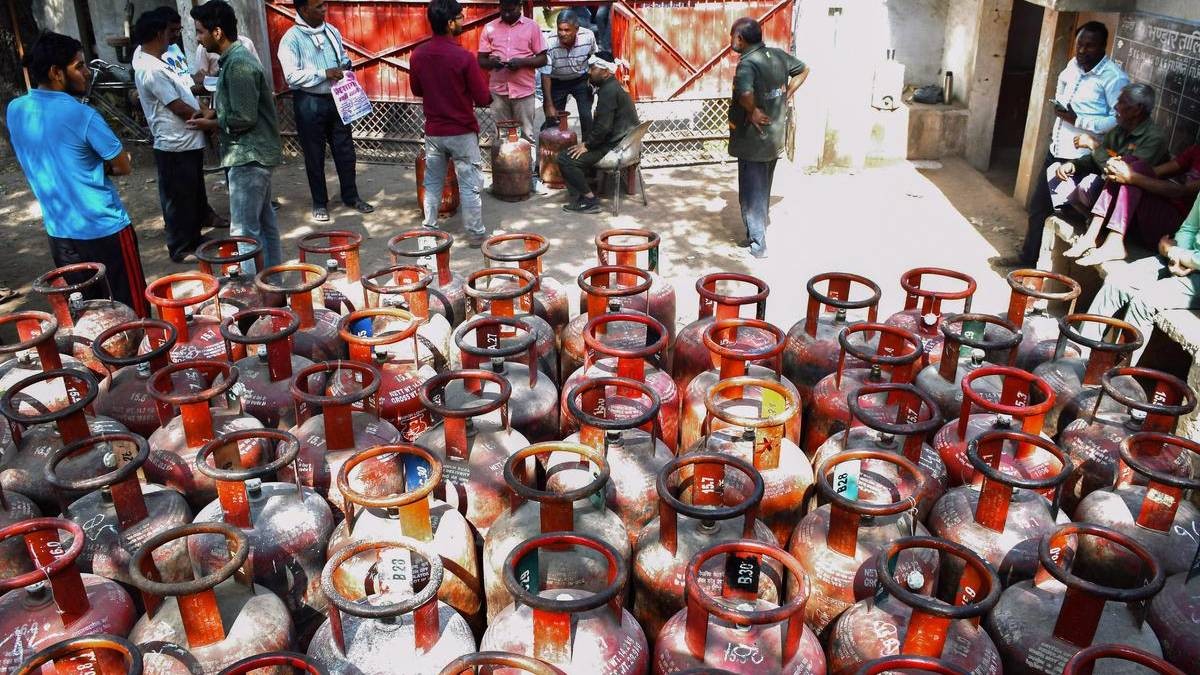
Authorities in Delhi have intensified monitoring and enforcement, seizing 1,710 illegal LPG cylinders this month alone. The crackdown highlights the growing black‑market activity that often emerges during supply shortages. Meanwhile, Karnataka has issued fresh Standard Operating Procedures (SoPs) to ensure fair distribution of LPG, prioritizing essential institutions such as hostels, government canteens, and welfare kitchens. These measures aim to safeguard vulnerable communities from the impact of restricted supply.
The crisis underscores India’s dependence on imported LPG and the vulnerability of its energy security to global conflicts. Analysts warn that prolonged disruptions could lead to price volatility, affecting households and industries alike. Policymakers are now exploring contingency plans, including diversifying supply routes and strengthening domestic reserves.
At the same time, the situation has sparked broader discussions on the need for sustainable alternatives. Experts argue that accelerating the adoption of biogas, electric cooking solutions, and renewable energy could reduce reliance on imported LPG in the long run. For now, however, the immediate focus remains on stabilizing supply chains and ensuring that essential services continue to receive uninterrupted access to cooking fuel.