
A major political storm has erupted in Maharashtra after Transport Minister Pratap Sarnaik announced a new directive mandating proficiency in Marathi for all licensed auto-rickshaw and taxi drivers. Effective May 1, 2026, the rule requires drivers to demonstrate their ability to read and write Marathi during inspections at 59 regional transport offices (RTOs) across the state. Those failing to meet the requirement risk losing their driving licences.
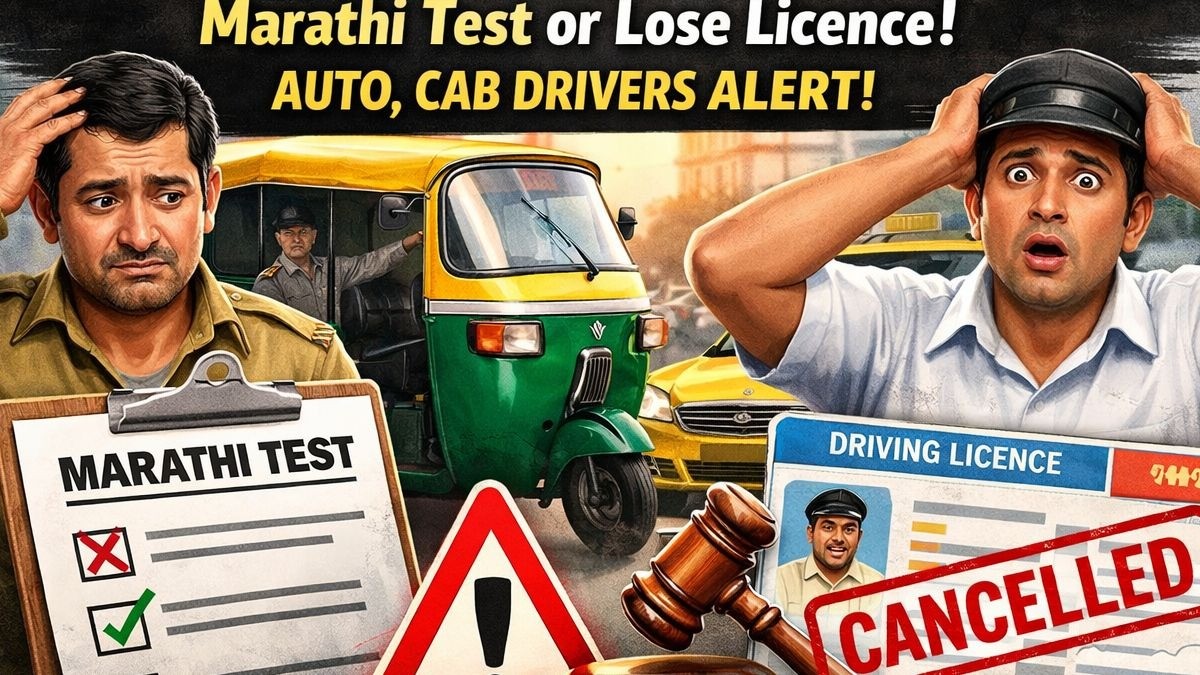
The announcement has triggered heated debates across political and social circles. Supporters of the move argue that it will strengthen the cultural identity of Maharashtra and ensure that commuters, especially local Marathi-speaking passengers, feel more comfortable interacting with drivers. They believe that basic literacy in Marathi is essential for drivers operating in the state, as it enhances communication and preserves linguistic heritage.
On the other hand, critics have raised concerns about the practicality and inclusivity of the directive. Maharashtra is home to a large migrant workforce from states such as Uttar Pradesh, Bihar, and West Bengal, many of whom work as auto and cab drivers. For them, learning to read and write Marathi within a short timeframe poses a significant challenge. Opposition leaders have accused the government of politicizing language and creating unnecessary hurdles for migrant workers who contribute to the state’s economy.
The directive also has implications for ride-hailing services like Ola and Uber, which employ thousands of drivers from diverse linguistic backgrounds. Industry experts warn that enforcing the rule could disrupt services and lead to a shortage of drivers, especially in metropolitan cities like Mumbai and Pune.
Despite the controversy, the Transport Ministry has stood firm, stating that the rule is non-negotiable and will be implemented from May 1. The coming weeks are expected to witness intense debates, protests, and possibly legal challenges, as stakeholders grapple with the balance between cultural preservation and economic inclusivity.
In essence, Maharashtra’s new language mandate for auto and cab drivers has opened a fresh chapter in the state’s ongoing discourse on identity, migration, and governance.