
A shocking case of alleged food adulteration has emerged from Maharashtra, where a man is reported to have sold 2.3 crore litres of synthetic milk over several years by using harmful ingredients, including detergent powder, without being detected for a long period. The case has raised serious concerns about food safety and the effectiveness of monitoring mechanisms.
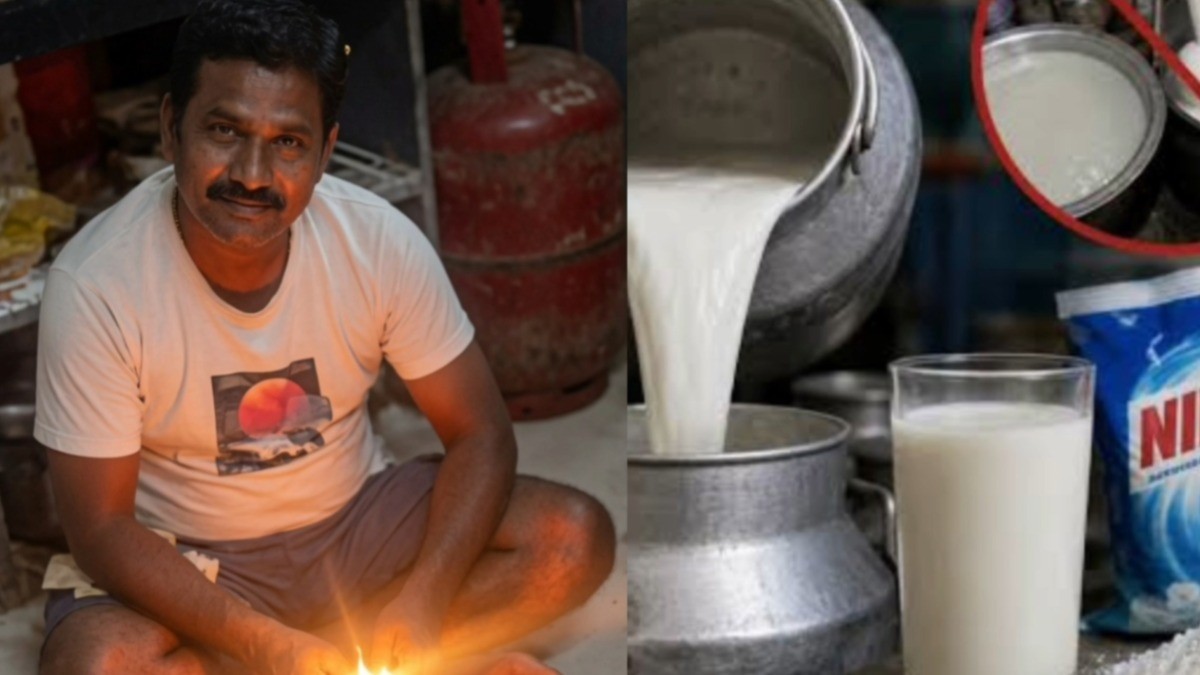
According to reports, the accused allegedly manufactured synthetic milk by mixing water with chemicals and other substances, including detergent powder, to imitate the appearance, texture, and consistency of genuine milk. The adulterated product was then reportedly supplied through distribution networks and sold to consumers as regular milk.
Authorities believe the operation may have continued for years before it was uncovered. If the reported volume of 2.3 crore litres is confirmed during the investigation, it would rank among the largest alleged synthetic milk frauds reported in the state.
Food safety officials and law enforcement agencies are now investigating the extent of the alleged racket, including the supply chain, the number of people involved, and the locations where the synthetic milk was distributed. Samples have reportedly been collected for laboratory analysis to determine the exact composition of the adulterated milk.
Health experts warn that consuming synthetic milk made with substances such as detergent and industrial chemicals can pose significant health risks. Depending on the ingredients used and the quantity consumed, adulterated milk may cause digestive problems, food poisoning, irritation of the stomach and intestines, and other serious health complications. Children, elderly individuals, and people with weakened immune systems are particularly vulnerable.
The case has once again highlighted the importance of strict food quality inspections and stronger enforcement against food adulteration. Consumer rights groups have called for tougher penalties against those found guilty of producing or distributing adulterated food products, arguing that such crimes endanger public health on a massive scale.
Officials have urged consumers to purchase milk from trusted and licensed suppliers and to report any suspicious products to local food safety authorities. They also advised the public not to rely solely on the appearance of milk, as synthetic products can closely resemble genuine milk.
The investigation is ongoing, and authorities are expected to take legal action against those responsible if the allegations are substantiated. The case serves as a reminder of the need for constant vigilance, robust food testing, and stricter regulatory oversight to ensure that essential food products reaching consumers are safe and meet quality standards.