
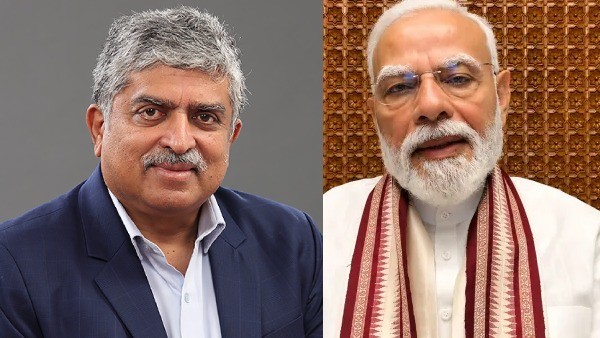
The Government of India has appointed Infosys co-founder Nandan Nilekani to head a high-level exam reform task force, marking a significant step toward modernizing the country's examination system. The panel has been formed to recommend long-term reforms aimed at improving transparency, efficiency, security, and fairness in public examinations.
The move comes amid growing concerns over examination integrity, paper leaks, and the need to strengthen India's testing ecosystem through the use of technology and better governance.
Focus on Exam Reforms
The newly constituted task force is expected to review the existing examination framework and recommend measures to make competitive and recruitment exams more secure, transparent, and student-friendly.
Among the key areas likely to be examined are:
Strengthening digital examination infrastructure
Preventing question paper leaks and malpractice
Improving candidate verification systems
Enhancing cybersecurity and data protection
Recommending technology-driven monitoring mechanisms
Streamlining exam administration across agencies
The recommendations are expected to benefit millions of students appearing for national-level entrance, recruitment, and competitive examinations every year.
Why Nandan Nilekani?
Nandan Nilekani is widely recognized for leading India's digital transformation initiatives. Apart from co-founding Infosys, he played a pivotal role in developing Aadhaar, the world's largest biometric identity program.
His experience in building secure, scalable digital public infrastructure makes him a suitable choice to lead efforts aimed at modernizing India's examination ecosystem through technology and innovation.
Restoring Trust in Public Examinations
The formation of the task force follows increasing public demand for stronger safeguards after several examination-related controversies in recent years. By introducing technology-enabled reforms and improving institutional processes, the government aims to restore confidence in the country's examination system.
Education experts believe the panel's recommendations could pave the way for more secure digital testing platforms, standardized procedures, and quicker grievance redressal mechanisms.
What Happens Next?
The task force will consult stakeholders, including education experts, examination agencies, technology specialists, and government departments before submitting its recommendations. The report is expected to outline both immediate measures and long-term reforms for India's examination framework.
If implemented, the recommendations could significantly improve the conduct of competitive examinations and help create a more transparent, reliable, and efficient system for students across the country.