
The devastating flash floods that struck Nepal and parts of Tibet have taken a catastrophic turn, with Nepal's death toll rising to 469. Rescue teams are continuing operations across the worst-affected areas, while hundreds of people remain missing. India is also working to trace 290 nationals who remain uncontactable following the disaster.
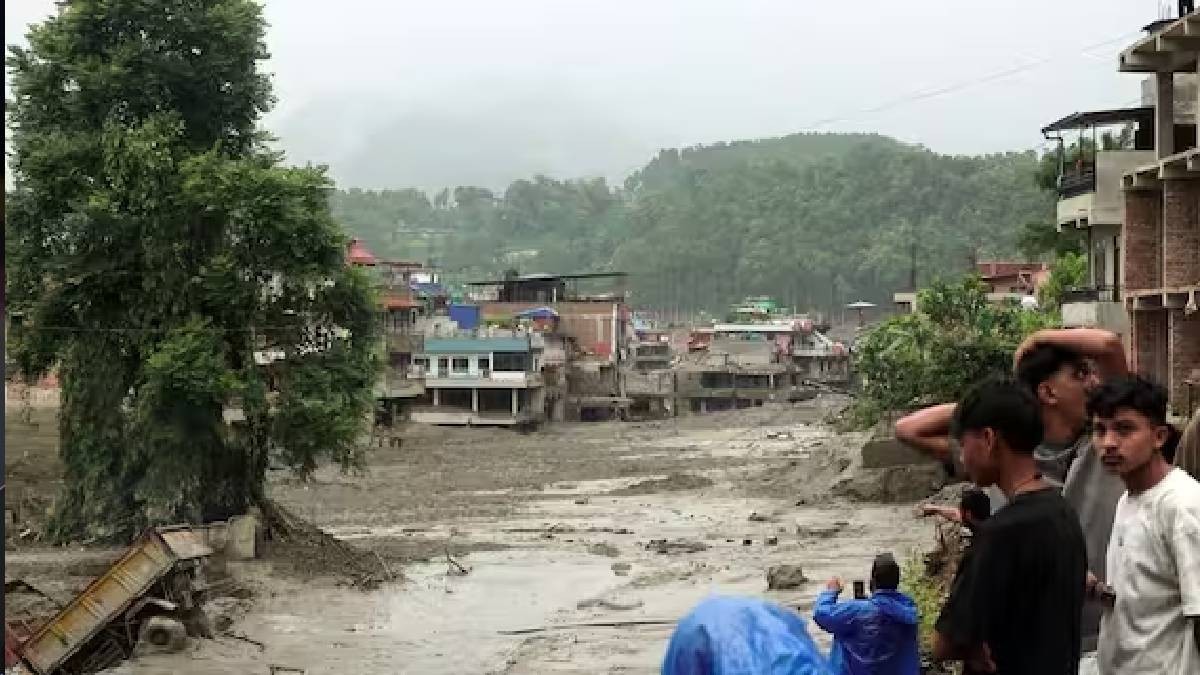
The disaster struck on August 26 after a glacial collapse and ice-rock avalanche triggered a massive surge of water, mud, rocks and debris through Himalayan river systems. The flooding severely affected Nepal's Rasuwa district and surrounding areas, destroying homes, roads, bridges and other infrastructure. Several hydropower projects were also damaged.
290 Indians Remain Untraceable
The crisis has caused particular concern in India because a large number of Indian nationals were present in the affected areas. Authorities are coordinating efforts to establish the whereabouts of those who remain uncontactable.
Earlier reports indicated that Indian tourists, workers and other nationals were among those caught in the disaster. Rescue teams have managed to evacuate hundreds of people, but damaged roads, bridges and communication networks have made tracing missing individuals extremely difficult.
China Warns Of Another Flood Threat
Even as Nepal continues its rescue operations, authorities are facing the possibility of another major flood. A barrier lake formed after debris blocked a river near the Nepal-China border, creating concerns that the natural dam could breach.
Chinese authorities issued a flood warning after the lake accumulated roughly 2 million cubic metres of water. Officials have warned that continued rainfall could increase inflows, potentially putting downstream communities at risk if the natural barrier collapses.
The situation became even more serious on August 28 when the newly formed lake reportedly began overflowing, forcing authorities to take additional precautions and temporarily disrupt some rescue operations.
Rescue Operations Continue
Nepal's military, police and emergency teams are searching through mud, debris and damaged structures for survivors and missing people. Helicopter operations have also been affected by the dangerous conditions and renewed flood risk.
The disaster has emerged as one of Nepal's most severe recent natural calamities. With the death toll still rising and another potential flood threat developing upstream, authorities in Nepal and China remain on high alert.
India has also stepped up its assistance and efforts to locate its nationals. Families of missing people are awaiting further information as rescue teams continue searching the affected regions.