
A striking statement has recently caught public attention: “If anyone demands a bribe, just say you won’t pay it and take my name. Drop the name of that officer directly to me. I will take care after that.” This remark, attributed to a government officer, has ignited discussions about corruption, accountability, and the role of citizens in combating unethical practices.
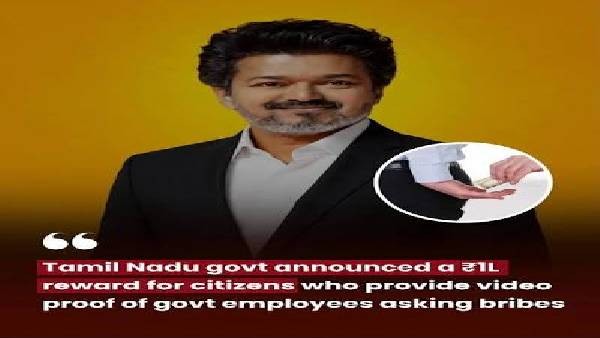
The statement reflects a bold stance against bribery, encouraging individuals to resist demands for illegal payments and to report such incidents directly. In a country where corruption has long been a challenge across various sectors, this message resonates strongly with citizens who often feel powerless when confronted with demands for bribes. By offering personal accountability, the officer aims to instill confidence in the public and reinforce the idea that corruption can be challenged.
Public reaction to the statement has been mixed. Many have praised the officer’s courage and willingness to take responsibility, viewing it as a refreshing change in the fight against corruption. Social media platforms have amplified the message, with users sharing it as a symbol of hope and integrity. On the other hand, skeptics question whether such assurances can truly be enforced, pointing out that systemic corruption requires institutional reforms rather than individual promises.
The remark also highlights the importance of transparency and accountability in governance. By urging citizens to refuse bribes, the officer places the responsibility of change not only on institutions but also on individuals. This dual approach—empowering citizens while holding officials accountable—could serve as a model for anti‑corruption campaigns. However, experts caution that without proper mechanisms for reporting and protection, citizens may still hesitate to confront corrupt practices.
From a broader perspective, the statement underscores the urgent need for stronger anti‑corruption frameworks. Legal safeguards, whistleblower protection, and digital monitoring systems are essential to ensure that citizens can safely report bribery without fear of retaliation. While the officer’s words are inspiring, they must be backed by concrete policies to create lasting impact.
In conclusion, the declaration “No bribes, take my name” has sparked a wave of debate and reflection. It symbolizes a proactive approach to tackling corruption, encouraging citizens to resist unethical demands. Whether this statement translates into real change depends on collective action—citizens refusing bribes, officials upholding integrity, and institutions strengthening accountability. For now, it stands as a powerful reminder that corruption can be challenged, one refusal at a time