From April 10, toll plazas across India will no longer accept cash payments, marking a significant shift in the country’s road infrastructure system. The move is aimed at streamlining traffic flow, reducing congestion, and encouraging digital transactions. FASTag, the electronic toll collection system, will remain the primary mode of payment, ensuring faster passage through fee plazas and minimizing delays for commuters.
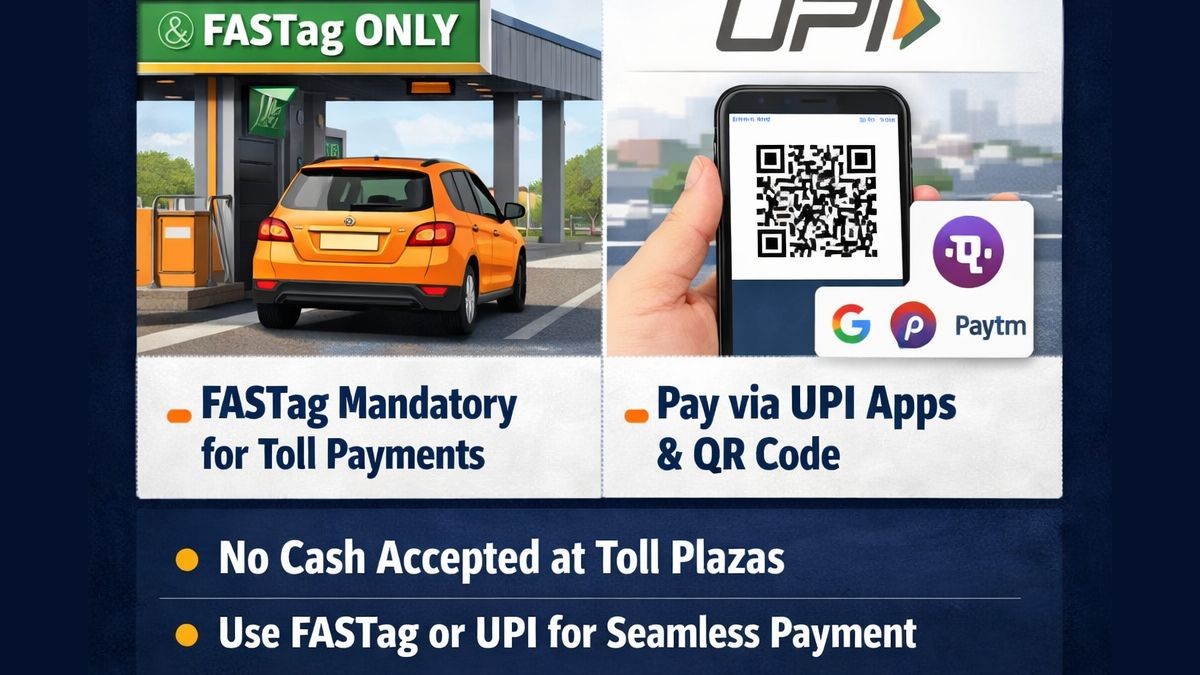
For vehicles entering a toll plaza without a valid FASTag, the government has introduced an alternative payment option via UPI. However, this comes with a catch—drivers will be charged 1.25 times the applicable toll fee. The higher rate is intended to discourage reliance on manual or last-minute digital payments, while reinforcing the importance of adopting FASTag for seamless travel.
Officials have emphasized that the new system is designed to put efficiency and transparency at the forefront. By eliminating cash transactions, toll plazas can reduce human error, curb revenue leakage, and improve accountability. The integration of UPI as a backup ensures that commuters are not stranded, but the surcharge serves as a strong incentive to switch to FASTag.
While many road users welcome the modernization of toll collection, some have expressed concerns about the penalty-like surcharge for UPI payments. Critics argue that occasional travelers or those facing technical issues with FASTag may be unfairly burdened. Nonetheless, authorities maintain that the long-term benefits of faster traffic movement and reduced cash handling outweigh the drawbacks, positioning this change as a step toward a fully digital transport ecosystem.