Fuel prices in India have once again become a hot topic of discussion, with a sudden and steep hike leaving consumers shocked. Diesel prices have surged by ₹25 in one go, while petrol has seen an increase of ₹7.41 per litre. This unexpected rise has triggered widespread concern among households, businesses, and transport operators who are directly impacted by fuel costs.
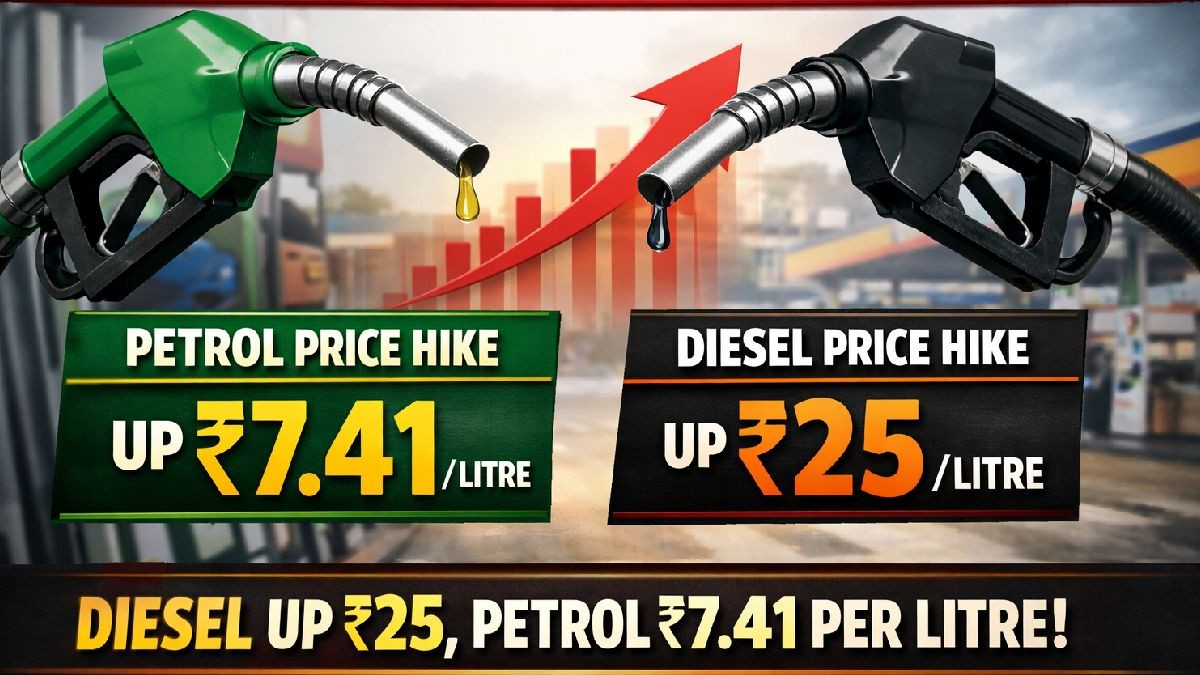
The hike in diesel prices is particularly significant because diesel is the backbone of India’s transport and logistics sector. Trucks, buses, and agricultural machinery rely heavily on diesel, meaning the ₹25 jump will ripple across the economy. From food distribution to construction, the cost of operations is bound to rise, ultimately burdening consumers with higher prices for essential goods and services.
Petrol, though primarily used for private vehicles, also plays a crucial role in daily commuting. The ₹7.41 increase per litre will pinch middle-class families who depend on two-wheelers and cars for mobility. With inflation already a pressing issue, this hike adds another layer of financial strain, sparking debates about government policies and the need for better regulation of fuel pricing.
The sudden surge in fuel prices highlights the volatility of global crude oil markets and the challenges of balancing domestic needs with international pressures. While authorities may justify the hike as necessary for fiscal stability, the public sentiment reflects frustration and anxiety. As India moves forward, the debate around fuel pricing, subsidies, and alternative energy sources will only intensify, making this issue central to both economic and political discourse in 2026.