A Warning Echoing the Pandemic
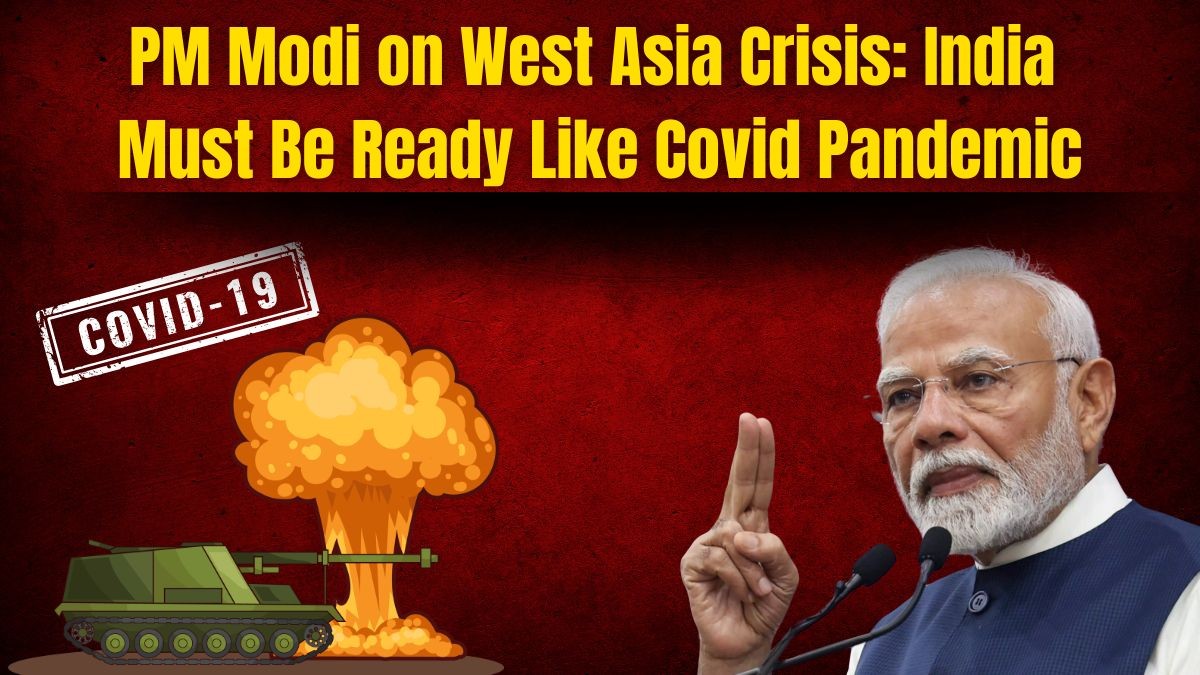
When Prime Minister Narendra Modi told Parliament, “Like the Covid pandemic, we have to be ready again,” he was drawing a stark parallel between the global health crisis of 2020 and the unfolding geopolitical turmoil in West Asia. Just as the pandemic disrupted supply chains, livelihoods, and national security, the current conflict threatens India’s economic stability and the well-being of its citizens abroad. The message was clear: India must brace for cascading effects that extend beyond the battlefield.
Energy Security at Risk
One of the most immediate concerns for India is fuel supply disruption. The Strait of Hormuz, a critical chokepoint for global oil and gas shipments, has seen interruptions due to escalating tensions. India, which imports nearly 85% of its crude oil, faces heightened vulnerability. Modi emphasized that the government is prioritizing measures to ensure minimal disruption in energy supplies, recalling how fuel shortages during the pandemic tested resilience. The crisis underscores India’s urgent need to diversify energy sources and accelerate renewable adoption.
Safety of Indians Abroad
Nearly 10 million Indians live and work in Gulf countries, contributing significantly to India’s remittance economy. Modi reassured Parliament that the government is extending assistance and maintaining vigilance to safeguard these citizens. The crisis has already impacted commercial shipping, where Indian crew members form a large share of the workforce. Evacuation plans, diplomatic coordination, and emergency support are being prepared, echoing the large-scale repatriations India undertook during COVID-19.
Economic and Livelihood Impact
Beyond energy, the West Asia conflict threatens trade routes, cargo movement, and everyday livelihoods. India’s exports to the Gulf, ranging from textiles to food products, face delays and rising costs. Inflationary pressures could ripple through the domestic economy, affecting households and industries alike. Modi’s call for unity in Parliament reflects the need for bipartisan consensus to navigate these challenges, much like the coordinated response during the pandemic.
Diplomacy as the Way Forward
Modi stressed that dialogue and diplomacy are the only solutions to the crisis. India has historically balanced its ties with multiple players in West Asia, from Iran to Saudi Arabia, and now faces the delicate task of protecting national interests while advocating peace. The Prime Minister’s remarks signal India’s intent to play a constructive role in de-escalation, while simultaneously preparing domestically for economic shocks.
The Prime Minister’s comparison to COVID-19 is not rhetorical—it is a reminder of how external crises can reshape India’s economy and society. From fuel supplies to expatriate safety, the West Asia conflict poses multidimensional risks. India’s preparedness, both in policy and public resilience, will determine whether the nation can weather this storm as effectively as it did the pandemic.