
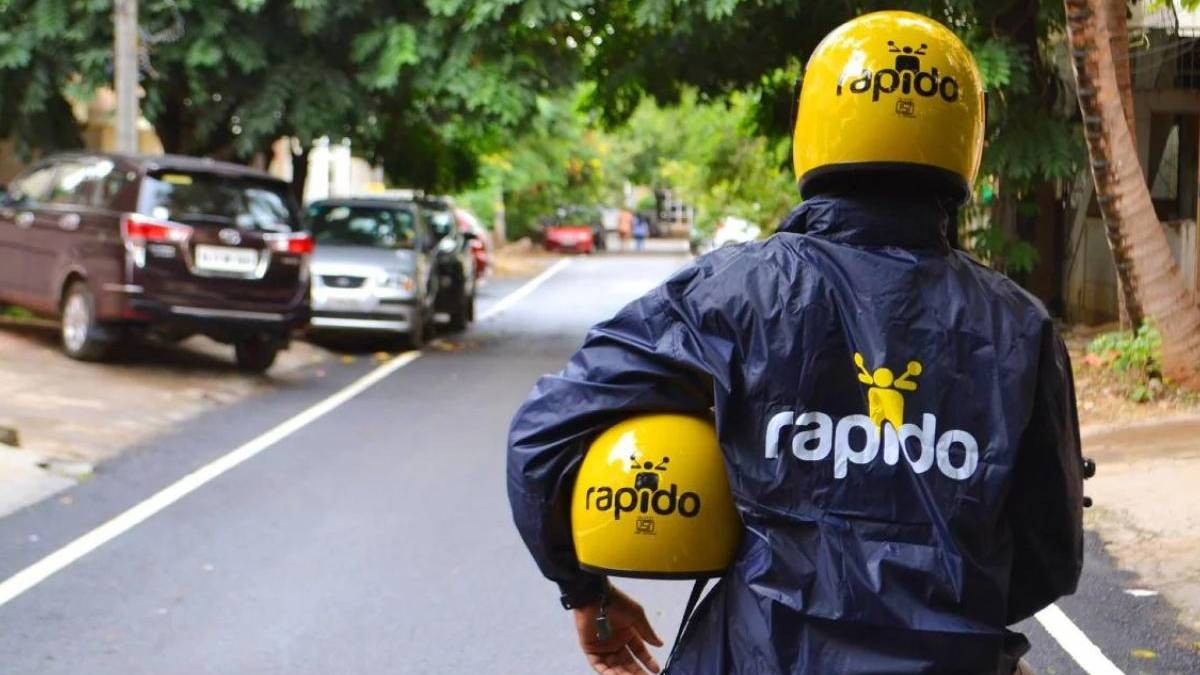
App-based bike taxi services, including Rapido, have once again come under the spotlight in Karnataka after the state enforced restrictions on their operations. The move has affected thousands of commuters who relied on affordable bike taxis for daily travel, as well as lakhs of riders who earned their livelihood through these platforms.
The Karnataka government has maintained that bike taxi services cannot operate commercially without a clear regulatory framework. Authorities argue that existing transport laws do not permit privately registered two-wheelers to be used as commercial passenger vehicles unless specific rules and permits are in place.
As a result, bike taxi operators such as Rapido have been directed to suspend their services in the state until an appropriate policy is introduced. The decision follows legal proceedings and regulatory scrutiny over the operation of app-based bike taxis in Karnataka.
The ban has had a significant impact on commuters, particularly in Bengaluru, where traffic congestion often makes bike taxis one of the fastest and most affordable modes of transportation. Office-goers, students, and frequent travelers have expressed concern over losing a convenient travel option that helped reduce commuting time.
For riders associated with Rapido, the restrictions have created uncertainty. Many individuals depend on bike taxi services as a primary or supplementary source of income. Several rider associations have urged the government to formulate a policy that allows bike taxis to operate legally while ensuring passenger safety and compliance with transport regulations.
Rapido has consistently stated that bike taxis offer an economical and efficient mobility solution, especially for first- and last-mile connectivity. The company has also expressed its willingness to work with policymakers to establish a regulatory framework that balances innovation, public safety, and legal compliance.
Industry experts believe that the issue extends beyond a single company. The future of app-based bike taxi services in Karnataka will depend on whether the government introduces a dedicated policy governing their operation. Several other Indian states have already framed regulations allowing bike taxis under specific conditions, providing a possible model for Karnataka to consider.
Consumer groups have also called for a balanced approach, pointing out that bike taxis help reduce traffic congestion, improve urban mobility, and create flexible employment opportunities. At the same time, transport authorities emphasize the need to ensure that passenger transport services meet legal and safety standards.
For now, commuters in Karnataka will have to rely on alternative modes of transport such as auto-rickshaws, cabs, buses, and metro services. Meanwhile, all eyes remain on the Karnataka government and the courts for a long-term resolution that could determine the future of bike taxi services in the state.
Until a comprehensive policy is introduced, the suspension of Rapido's bike taxi operations highlights the ongoing challenge of balancing technological innovation with existing transport laws in India's rapidly evolving mobility sector.