
Supreme Court Seeks Clarity on Exam Reform Committee’s Role Amid NEET Paper Leak
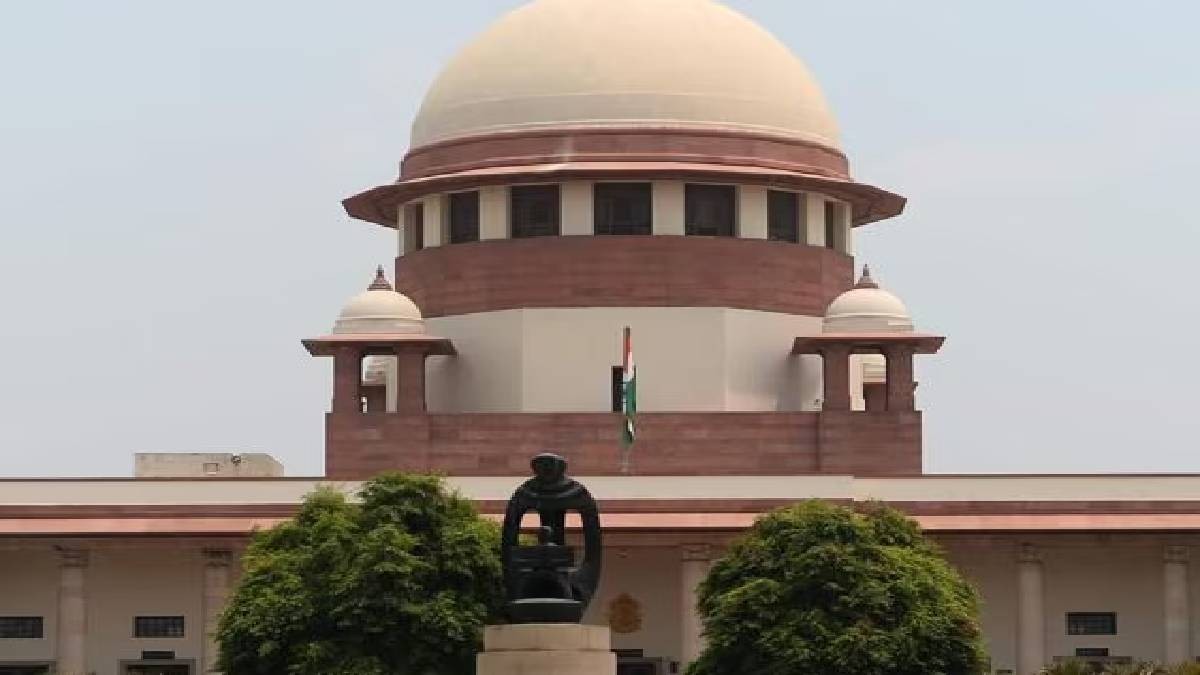
The Supreme Court has sought greater clarity on the role and functioning of the exam reform committee formed in the wake of concerns surrounding the NEET-UG examination and allegations of question-paper leaks. The development comes as the court continues to examine broader issues concerning the integrity, transparency and administration of major national-level entrance examinations.
The NEET controversy had raised serious questions about the examination system after allegations of question-paper leaks, irregularities, impersonation and other forms of malpractice came to light. The matter generated widespread concern among students and parents, particularly because NEET-UG is the primary entrance examination for undergraduate medical admissions across India.
During the proceedings, the Supreme Court sought clarification regarding the mandate and responsibilities of the committee tasked with suggesting reforms to the examination process. The court's focus reflects the need to determine whether proposed reforms are sufficiently comprehensive to prevent similar incidents in the future.
An important concern surrounding competitive examinations is the security of question papers and examination-related data. With millions of candidates appearing for national-level tests, even a small security failure can have significant consequences. The court's intervention highlights the importance of creating systems that are capable of detecting and preventing leaks before they affect candidates.
The NEET controversy also highlighted the need for stronger monitoring mechanisms at examination centres. Authorities have increasingly relied on technology, including digital surveillance, biometric verification and data analysis, to reduce malpractice. However, the effectiveness of these measures depends on proper implementation and coordination between different agencies.
For students, the issue goes beyond the legal proceedings. Medical aspirants spend years preparing for NEET, often investing significant time and financial resources in coaching and study materials. Any irregularity in the examination process can create uncertainty about admissions and raise concerns about whether students are being assessed on a level playing field.
The Supreme Court's questions regarding the reform committee therefore assume significance. A robust examination system requires clear accountability, secure question-paper handling, transparent procedures and rapid action when irregularities are detected. Reform recommendations will need to address not only the immediate problems identified during the NEET controversy but also vulnerabilities that could emerge with changing examination technologies.
The court's scrutiny also reinforces the principle that examination bodies must maintain public confidence. Competitive examinations determine access to highly sought-after educational opportunities, making fairness and transparency essential.
As the proceedings continue, students, parents and educational institutions will be watching closely for clarity on the committee's recommendations and the steps authorities intend to take. Any meaningful reform is expected to focus on preventing paper leaks, strengthening examination security and ensuring that genuine candidates are not disadvantaged.
The NEET paper-leak controversy has ultimately become part of a larger debate about examination reform in India. The Supreme Court's intervention could play an important role in ensuring that future reforms are clearly defined, effectively implemented and capable of protecting the credibility of national entrance examinations.