
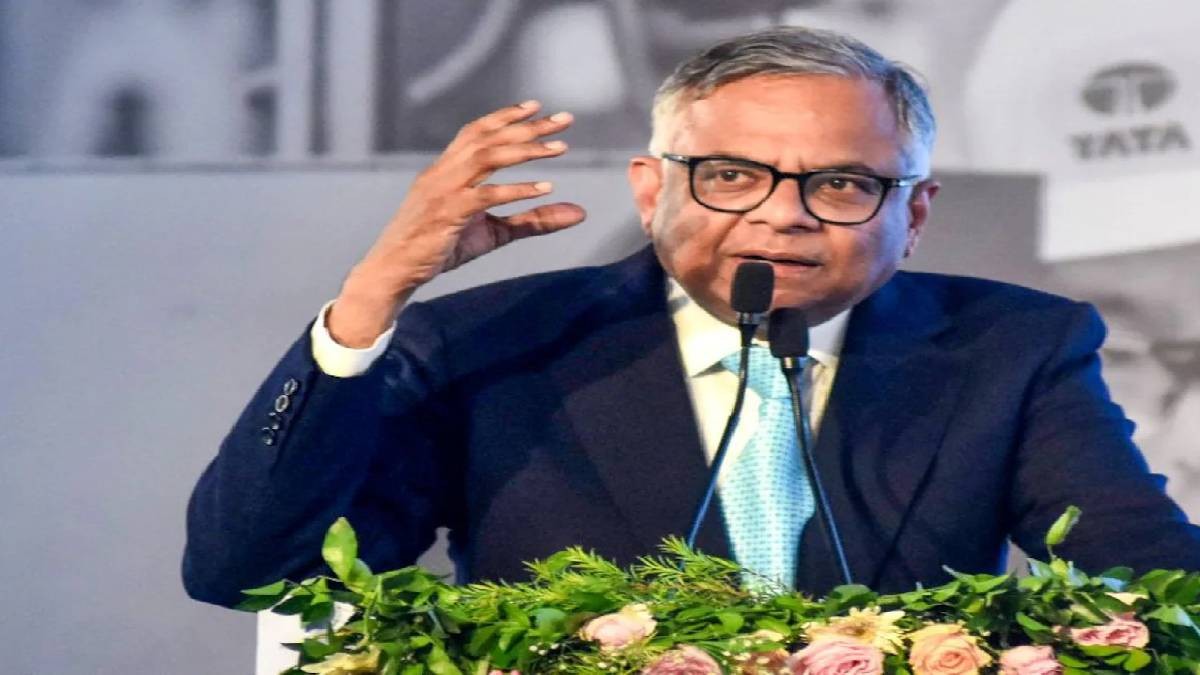
In a significant development for India’s largest conglomerate, N Chandrasekaran has resigned as Chairman of Tata Sons, the principal holding company of the Tata Group. He confirmed that he will not seek reappointment when his current term ends in February 2027, signaling a major leadership transition for the $400-billion enterprise.
Reasons Behind the Exit
Chandrasekaran’s decision comes amid disagreements between Tata Sons and Tata Trusts, which own 66% of the holding company. Reports suggest that Noel Tata, Chairman of Tata Trusts, opposed Chandrasekaran’s continuation, citing concerns over governance and strategic commitments. One sticking point was Chandrasekaran’s refusal to commit that Tata Sons would never be listed, a condition sought by Tata Trusts.
In his resignation statement, Chandrasekaran noted that while some trusts had recommended extending his tenure, the absence of unanimous support led him to step aside. He emphasized the importance of clarity in leadership for employees, investors, and stakeholders as the group navigates critical projects.
Achievements During Tenure
Since taking over in 2017, Chandrasekaran has overseen a remarkable transformation of the Tata Group. Under his leadership, the conglomerate expanded aggressively into airlines, semiconductors, electronics, batteries, and digital businesses. Group revenue nearly doubled from ₹7.89 lakh crore in FY20 to ₹16.24 lakh crore in FY26, while profit after tax rose more than fivefold to ₹1.71 lakh crore.
He also played a pivotal role in stabilizing Air India after its acquisition, steering Tata Consultancy Services (TCS) through global competition, and managing challenges such as cyberattacks at Jaguar Land Rover. His tenure is widely credited with modernizing the Tata Group while maintaining its legacy values.
Implications for Tata Group
Chandrasekaran’s exit raises questions about succession planning within Tata Sons. The board will now need to identify a new leader capable of balancing the interests of Tata Trusts with the operational demands of the conglomerate. The decision also comes at a time when the group is making major investments in new ventures, including electric vehicles, renewable energy, and advanced technology.
The resignation has already impacted investor sentiment, with Tata Group stocks dipping following the announcement. Analysts believe the leadership transition will be closely watched, given the group’s scale and influence across India’s economy.
Conclusion
N Chandrasekaran’s decision to step down marks the end of a decade-long era of growth and transformation for Tata Sons. While his leadership strengthened the group’s global presence, internal disagreements ultimately shaped his departure. The focus now shifts to the Tata Sons board and Tata Trusts as they prepare for one of the most consequential leadership transitions in recent corporate history