
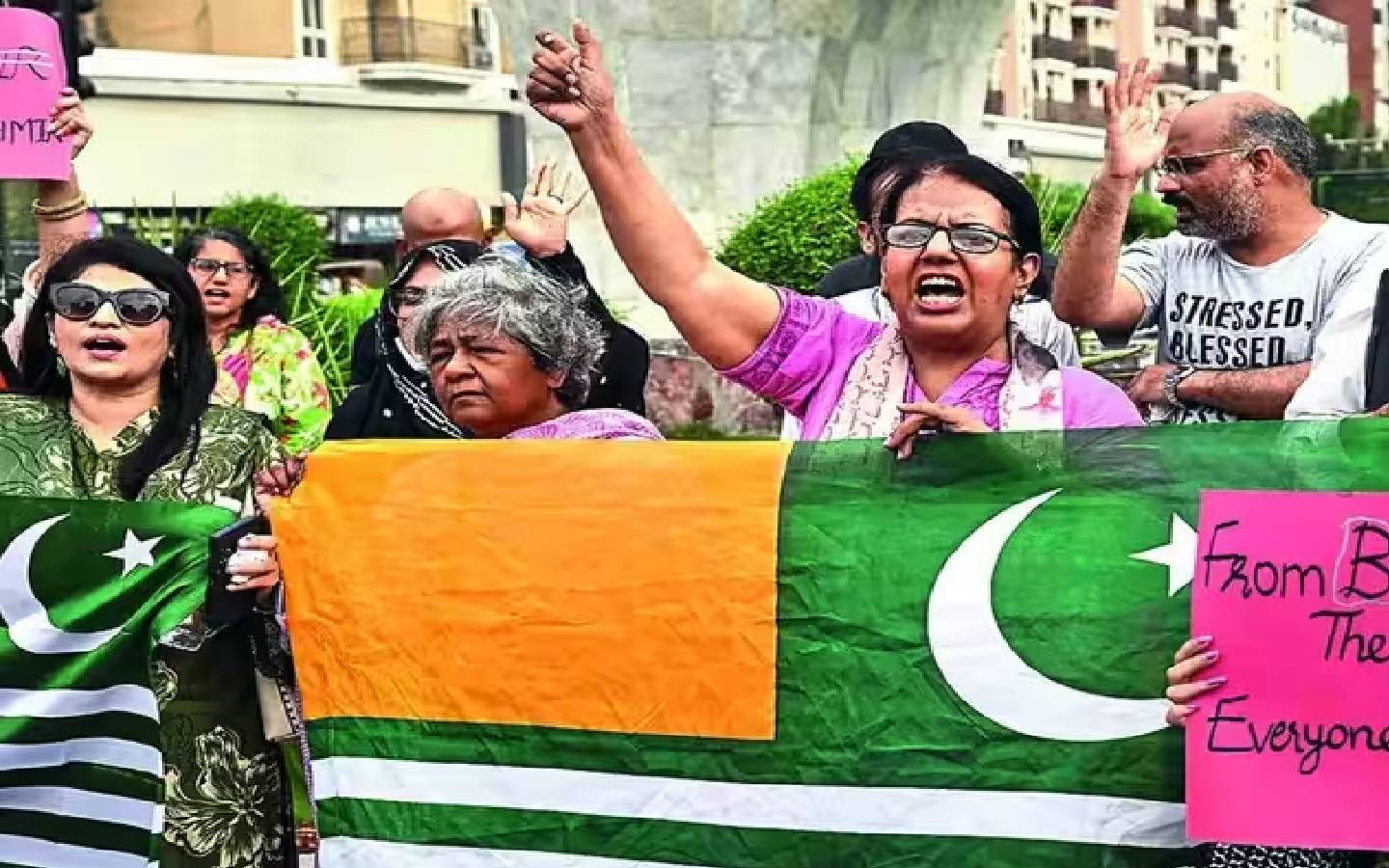
Voices across Pakistan-occupied Kashmir (PoK) are growing louder as people demand dignity, accountability, and freedom from political suppression. The rising chorus reflects a deep frustration with decades of neglect, lack of representation, and economic stagnation. The hashtag #KashmirRejectsPak has amplified these sentiments, signaling a shift in public discourse.
Growing Calls for Change
Protests and public gatherings in PoK have increasingly highlighted demands for self-determination and democratic rights. Citizens argue that their voices have been silenced under political control, with little opportunity to shape their own future. The movement is gaining traction among students, activists, and local communities who insist that basic dignity and accountability must be restored.
Economic and Social Concerns
Residents complain of poor infrastructure, limited healthcare, and lack of employment opportunities, despite the region’s strategic importance. Many believe that resources are being exploited without benefiting local communities. The frustration has fueled calls for greater autonomy and transparency, with people demanding that governance prioritize their welfare rather than external interests.
Political Suppression
Activists allege that dissent in PoK is often met with harassment and intimidation, stifling genuine debate. The demand for a future free from suppression reflects a broader desire for political participation and representation. Citizens are increasingly vocal about their right to determine their own path, challenging the status quo.
Global Attention
The growing unrest has drawn international attention, with human rights organizations urging Pakistan to respect the voices of people in PoK. Analysts note that the movement is part of a wider trend where marginalized communities are asserting their rights against centralized contro