Severe floods have struck both Shanghai and Beijing, disrupting daily life and prompting global comparisons to other urban flood crises. Heavy rainfall has inundated streets, halted transportation, and forced thousands to evacuate, raising urgent questions about climate resilience in two of China’s most important cities.
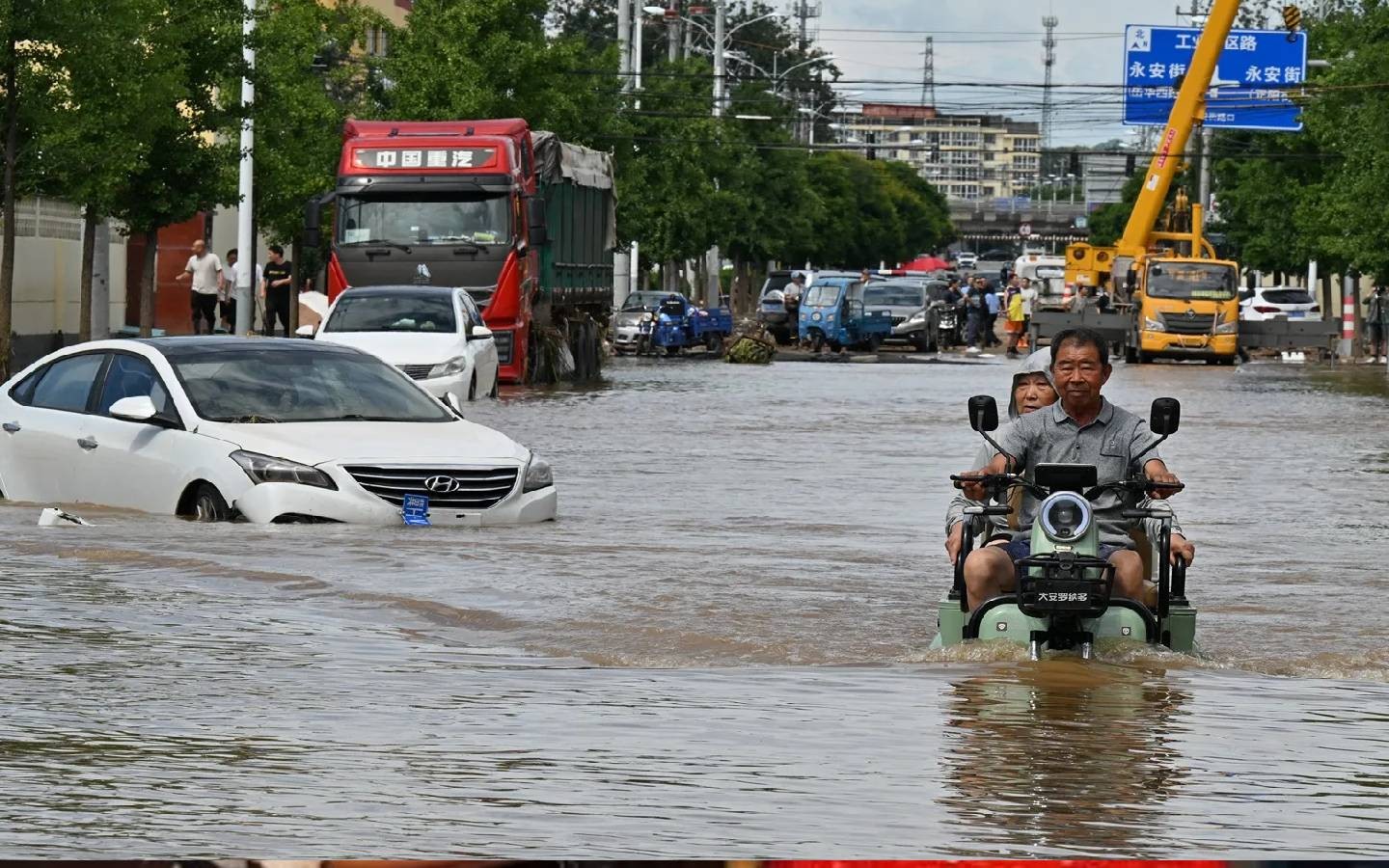
Flooding in Shanghai
Shanghai, China’s financial hub, witnessed record-breaking rainfall that submerged major roads and disrupted metro services. Authorities deployed emergency crews to pump water from low-lying districts, while schools and offices were temporarily closed. The city’s drainage system, already under strain from rapid urbanization, struggled to cope with the deluge.
Flooding in Beijing
In Beijing, torrential rains caused flash floods in suburban districts, damaging homes and infrastructure. Several rivers overflowed, forcing residents to evacuate to temporary shelters. The government issued red alerts for flooding, urging citizens to avoid unnecessary travel. Public transport, including buses and subway lines, faced widespread suspension.
Global Comparisons
The floods in Shanghai and Beijing have drawn comparisons to recent disasters in New York, London, and Mumbai, where extreme rainfall overwhelmed urban infrastructure. Experts note that climate change is intensifying rainfall patterns worldwide, making megacities increasingly vulnerable. The events highlight the need for stronger flood defenses, sustainable urban planning, and international cooperation on climate adaptation.
Economic and Social Impact
Supply chains disrupted: Factories and ports in Shanghai reported delays.
Tourism affected: Beijing landmarks saw closures due to safety concerns.
Public health risks: Stagnant water raised fears of disease outbreaks.
The floods underscore how climate events can ripple across economies, affecting not just local communities but also global markets