
MBA Chaiwala, founded in 2017, quickly became a popular entrepreneurial story in India. The brand gained attention due to its unique concept and the founder’s personal branding. In the early stages, the business benefited from being one of the first movers in a relatively less crowded space. However, over time, the brand began facing increasing challenges that impacted its growth and sustainability.
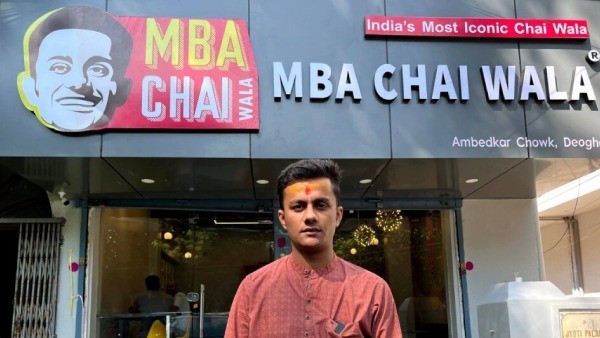
One of the primary reasons often cited for the slowdown is rising competition. When MBA Chaiwala entered the market, there were only a few organized tea café brands. But as the idea gained popularity, several strong competitors such as Chai Point, Tea Trails, and Chai Sutta Bar entered the market. These brands continuously innovated by introducing better menus, improved store experiences, and stronger operational systems. As competition increased, MBA Chaiwala struggled to maintain the same level of customer interest and differentiation.
Another major challenge was overexpansion. In an attempt to scale quickly, the company opened outlets in high-cost locations, including premium areas in Mumbai. While the initial response was encouraging, the high operational costs soon outweighed the revenue generated from these outlets. As a result, some locations had to be shut down within a short period. Rapid expansion without stable unit economics often becomes a risk for growing brands, and MBA Chaiwala appears to have faced similar issues.
Expansion into highly competitive cities also created difficulties. In several locations, MBA Chaiwala outlets were opened near already established tea brands. This made it harder to attract a consistent customer base, as consumers already had strong preferences for existing competitors. Without a strong differentiating factor, maintaining sales growth became challenging.
Product quality has also been discussed as a concern. Some customers reportedly felt that the tea and related offerings did not consistently meet expectations. In the food and beverage industry, taste, consistency, and customer experience play a crucial role in repeat business. Any perceived gap in quality can directly affect customer retention and brand reputation.
Marketing strategy is another area that is often highlighted. While MBA Chaiwala initially gained popularity through strong personal branding and social media attention, sustaining long-term marketing momentum proved more difficult. Competitors invested heavily in structured marketing campaigns, influencer collaborations, and brand positioning strategies that helped them capture wider audiences.
Finally, some analysts believe that lack of deep industry experience also played a role. Running a food and beverage business requires strong operational expertise, supply chain management, and customer experience planning. Inexperience in these areas may have led to strategic decisions that did not always align with long-term scalability.
In conclusion, MBA Chaiwala’s challenges appear to be the result of multiple factors, including rising competition, aggressive expansion, inconsistent product quality, and evolving market dynamics. While the brand continues to remain popular in public discussions, its journey highlights the importance of sustainable growth strategies in the highly competitive food and beverage industry.