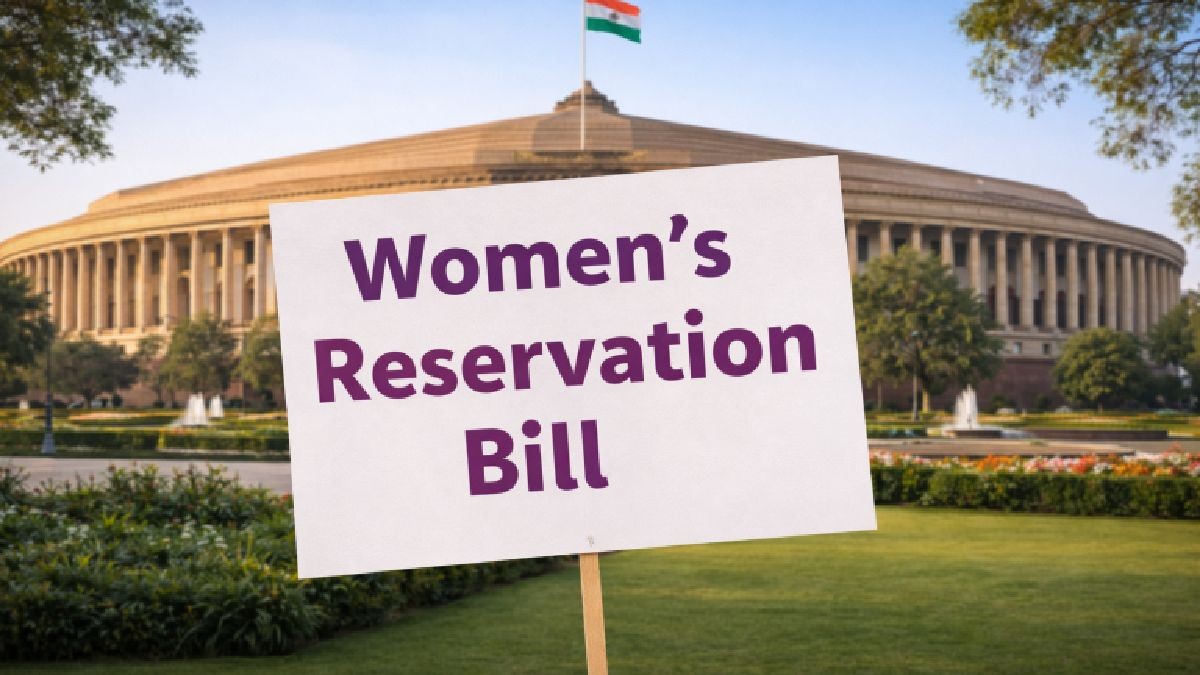
On April 17, 2026, India’s Lok Sabha rejected the Constitution (131st Amendment) Bill, which sought to reserve 33% of seats for women in Parliament and state assemblies. The measure required a two-thirds majority of 326 votes but fell short, securing 278 in favor and 211 against.
The bill was tied to post-census delimitation, a process that could expand the Lok Sabha to 850 seats and shift political weight toward northern states such as Uttar Pradesh and Bihar. Southern states like Tamil Nadu and Kerala, which would lose relative influence, strongly opposed the proposal. This linkage became a central point of contention, with critics arguing that women’s representation should not be tied to demographic restructuring.
Opposition leaders including Rahul Gandhi and M.K. Stalin celebrated the defeat, framing it as a defense of federal balance and constitutional integrity. They argued that the government’s approach risked undermining the equitable distribution of power among states. Gandhi described the outcome as a “victory for India’s unity,” while Stalin emphasized that Tamil Nadu’s voice had been protected.
Government figures, however, expressed disappointment and anger. Home Minister Amit Shah accused the opposition of betraying women, suggesting that political calculations had been placed above the cause of gender equality. Supporters of the bill maintained that it would have marked a historic step toward empowering women in governance, aligning India with global trends in political representation.
The failure of the amendment underscores the complexities of balancing gender justice with federal concerns. While there is broad consensus on the need for greater women’s representation, the mechanism for achieving it remains deeply contested. Linking quotas to delimitation has proven divisive, raising fears of regional imbalance and political upheaval.
As India heads toward future elections, the debate over women’s reservation is unlikely to fade. The government may attempt to reintroduce the measure in a revised form, while opposition parties will continue to highlight the risks of altering the federal structure. For now, the defeat of the 131st Amendment reflects both the strength of regional voices and the enduring challenge of building consensus on transformative reforms.
As India heads toward future elections, the debate over women’s reservation is unlikely to fade. The government may attempt to reintroduce the measure in a revised form, while opposition parties will continue to highlight the risks of altering the federal structure. For now, the defeat of the 131st Amendment reflects both the strength of regional voices and the enduring challenge of building consensus on transformative reforms.