
Zerodha co-founder Nikhil Kamath has sparked a nationwide conversation after suggesting that India should consider introducing a pricing mechanism for water to combat rising demand, limited freshwater resources, and the increasing threat of long-term water scarcity. His remarks have generated widespread debate, with supporters calling the proposal a practical step toward conservation, while critics worry about its impact on affordability and equitable access.
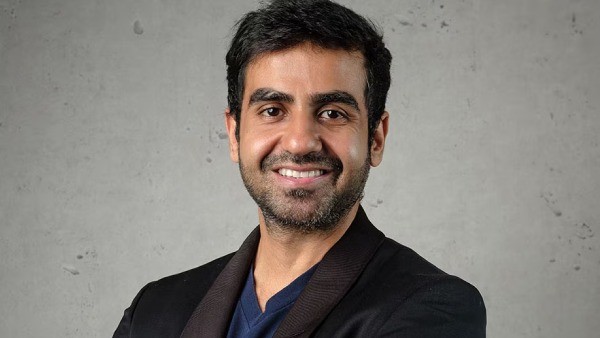
According to Kamath, India is approaching a critical stage where water resources are under immense pressure due to rapid urbanization, population growth, industrial expansion, and climate-related challenges. He argues that water has traditionally been treated as an unlimited resource, leading to excessive consumption and widespread wastage in both households and industries.
Kamath believes that introducing a structured pricing system could encourage individuals, businesses, and institutions to use water more responsibly. His central argument is that when people pay according to their consumption, they are more likely to conserve resources, repair leakages, adopt water-efficient technologies, and avoid unnecessary waste.
The entrepreneur emphasized that pricing water does not necessarily mean making it inaccessible. Instead, he suggested that any policy should be carefully designed to ensure that basic water needs remain affordable while higher consumption levels are charged appropriately. Such a system, he argues, could strike a balance between ensuring universal access to water and promoting responsible usage.
India is already facing significant water-related challenges. Several cities have experienced recurring water shortages during summer months, groundwater levels continue to decline in many regions, and changing rainfall patterns have made water management increasingly complex. Experts have long warned that without improved conservation practices and infrastructure, the gap between water demand and available supply could widen substantially in the coming decades.
Supporters of Kamath's proposal argue that economic incentives have successfully encouraged conservation in sectors such as electricity and fuel consumption. They believe that a similar approach could reduce unnecessary water usage, improve efficiency, and encourage investments in rainwater harvesting, wastewater recycling, and modern irrigation systems.
However, the proposal has also attracted criticism. Opponents argue that water is a fundamental human necessity and should not become a financial burden, particularly for low-income households. They stress that governments should first focus on reducing distribution losses, improving infrastructure, preventing groundwater depletion, and expanding access to clean drinking water before considering widespread pricing reforms.
The discussion has highlighted the broader challenge of balancing environmental sustainability with social equity. Policymakers would need to ensure that any pricing model protects vulnerable communities while discouraging excessive consumption by high-volume users.
Although Nikhil Kamath's suggestion remains a topic of debate rather than an official policy proposal, it has reignited an important national conversation about India's water future. As demand continues to rise and freshwater resources become increasingly strained, experts agree that stronger conservation measures, efficient water management, and public awareness will be essential to securing the country's long-term water security.