In a dramatic escalation of regional tensions, Iran has once again closed the Strait of Hormuz, a critical maritime chokepoint through which nearly one-fifth of the world’s oil supply passes. The move comes in direct response to recent Israeli strikes on Lebanon, which Tehran has condemned as a violation of the fragile truce in the region.
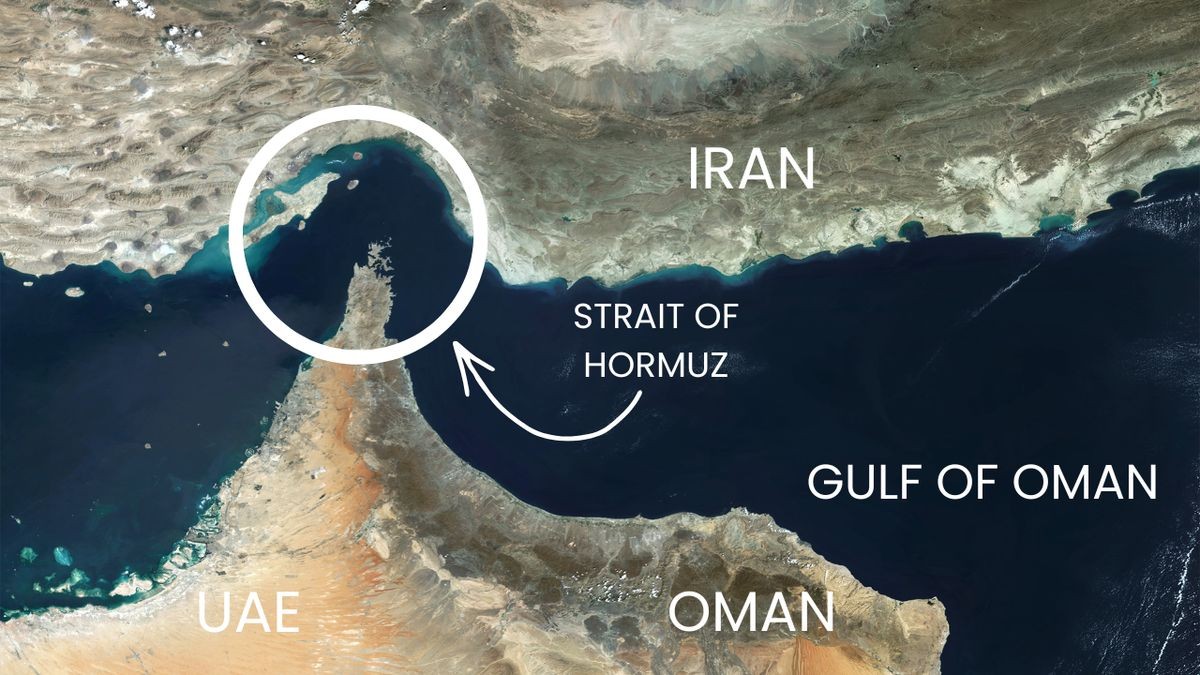
Iranian officials stated that the closure was necessary to uphold the integrity of the ceasefire agreement, accusing Israel of undermining peace efforts. The Strait of Hormuz has long been a flashpoint in Middle Eastern geopolitics, and its closure threatens to disrupt global energy markets, heightening fears of economic instability.
The United States reacted swiftly, warning Iran against using the strait as leverage. President Donald Trump declared that Washington “won’t abide” any breach of the truce, signaling a firm stance against Tehran’s actions. U.S. officials emphasized that freedom of navigation in international waters must be maintained, and any attempt to restrict passage could invite serious consequences.
This latest development underscores the fragile nature of the truce brokered to ease hostilities in the region. Israel’s strikes in Lebanon have already drawn international criticism, and Iran’s retaliatory closure of Hormuz risks widening the conflict. Analysts warn that prolonged disruption in the strait could send oil prices soaring, impacting economies worldwide.
Meanwhile, reactions across the Middle East remain divided. Supporters of Iran view the closure as a justified response to Israeli aggression, while critics argue that Tehran is escalating tensions unnecessarily. The situation places immense pressure on diplomatic channels, as global powers scramble to prevent further deterioration.
As the standoff intensifies, the Strait of Hormuz once again becomes a symbol of the delicate balance between military power, economic interests, and fragile peace in the region. The coming days will be crucial in determining whether diplomacy can prevail or whether the closure marks the beginning of a deeper crisis with far-reaching consequences.
At present, the world watches closely, aware that any misstep could ignite a broader conflict in one of the most volatile regions on the planet.