
Iran has firmly rejected the idea of meeting U.S. officials in Islamabad, dismissing both Washington’s demands and the proposed venue as unacceptable. This refusal underscores the deep mistrust between Tehran and Washington, as well as the difficulty of finding common ground for dialogue amid heightened regional tensions. The move has effectively stalled the latest attempt at direct engagement, leaving mediators scrambling for alternatives.
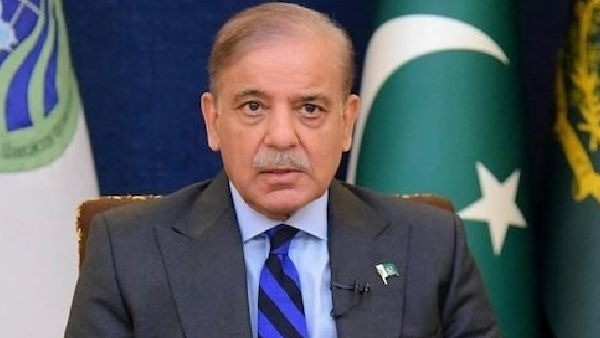
In response, Türkiye and Egypt have stepped in to explore new pathways for reviving negotiations. Both countries are considering alternative venues such as Doha or Istanbul, which they believe could provide a more neutral and acceptable setting for talks. Their involvement highlights the growing role of regional powers in trying to bridge divides between Iran and the United States, especially as global powers struggle to make progress.
The proposed shift in venue is not just logistical but symbolic. Islamabad, seen by Iran as too closely aligned with U.S. interests, was never likely to be accepted as a neutral ground. By suggesting Doha or Istanbul, Türkiye and Egypt are attempting to create an environment where both sides might feel less constrained and more willing to engage in substantive dialogue.
While the future of these negotiations remains uncertain, the diplomatic maneuvering reflects broader efforts to prevent further escalation in the region. Whether Iran and the U.S. can agree to meet in a new location remains to be seen, but the involvement of Türkiye and Egypt signals that regional actors are determined to keep channels of communication open, even as mistrust and geopolitical rivalries continue to complicate the process.