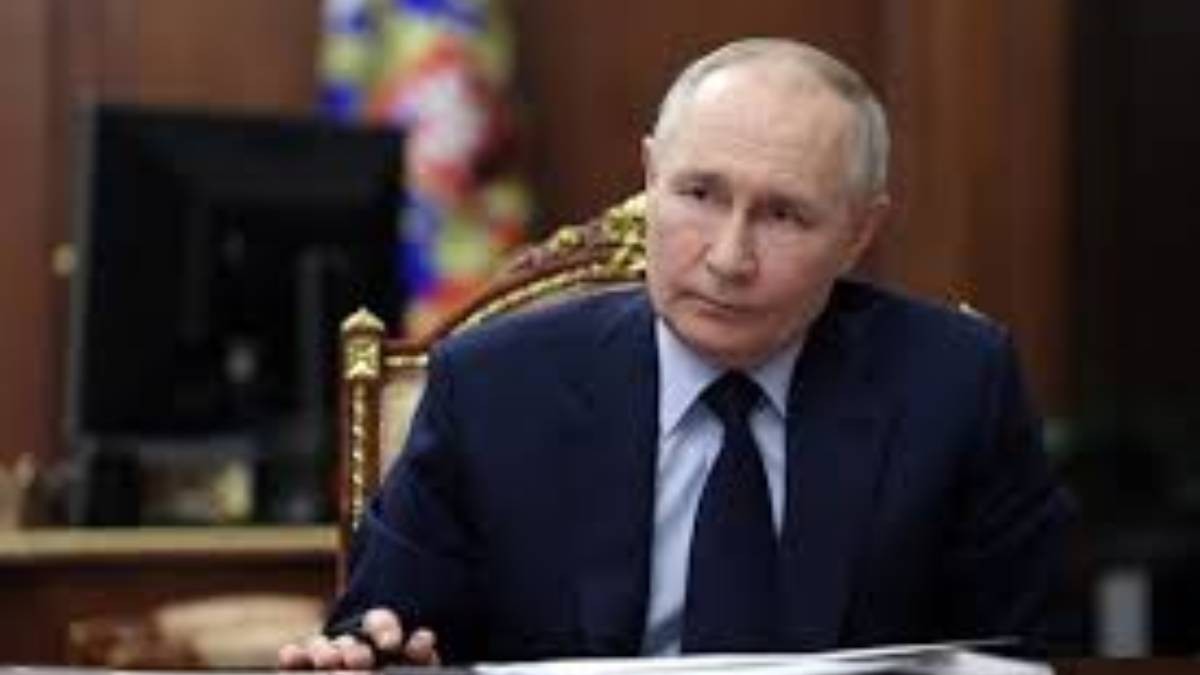
Russian President Vladimir Putin has increasingly positioned himself as a central figure in global energy politics, using Russia’s vast oil and gas reserves as leverage at a time when international energy markets are under severe strain. With conflicts in the Middle East disrupting traditional supply routes and global demand surging due to industrial growth and the expansion of data centers, Moscow is seizing the opportunity to reassert its influence on Europe and beyond.
Europe’s energy security remains fragile, with crude oil prices climbing above $100 per barrel. Putin has offered conditional supplies of Russian oil and gas to European nations, presenting Moscow as a potential stabilizer in the midst of turmoil. This move comes as shipments through the Strait of Hormuz face disruptions linked to escalating tensions between the US, Israel, and Iran. By stepping in at this critical juncture, Russia is not only addressing Europe’s immediate needs but also strengthening its bargaining power in long-term geopolitical negotiations.
Beyond exports, Russia continues to weaponize energy infrastructure in its war against Ukraine. Repeated missile and drone strikes on Ukraine’s power grid have crippled electricity supplies, underscoring Moscow’s willingness to use energy as a tool of coercion. These actions highlight how Russia’s energy strategy is multifaceted—serving both as a source of revenue and as a means of destabilizing adversaries.
The broader energy landscape is undergoing rapid transformation. Analysts project that data centers alone could account for up to 75% of global power demand growth by 2030. This surge is forcing nations to adopt “all-of-the-above” strategies, combining fossil fuels, renewables, and nuclear power. In this environment, Russia’s fossil fuel exports remain critical, but they also face growing competition from alternative energy sources. Putin’s challenge lies in maintaining Russia’s relevance as the world diversifies its energy mix.